
Roof maintenance
Can Moss Damage an Asphalt Shingle Roof?
By VitalRoofs··4 min read
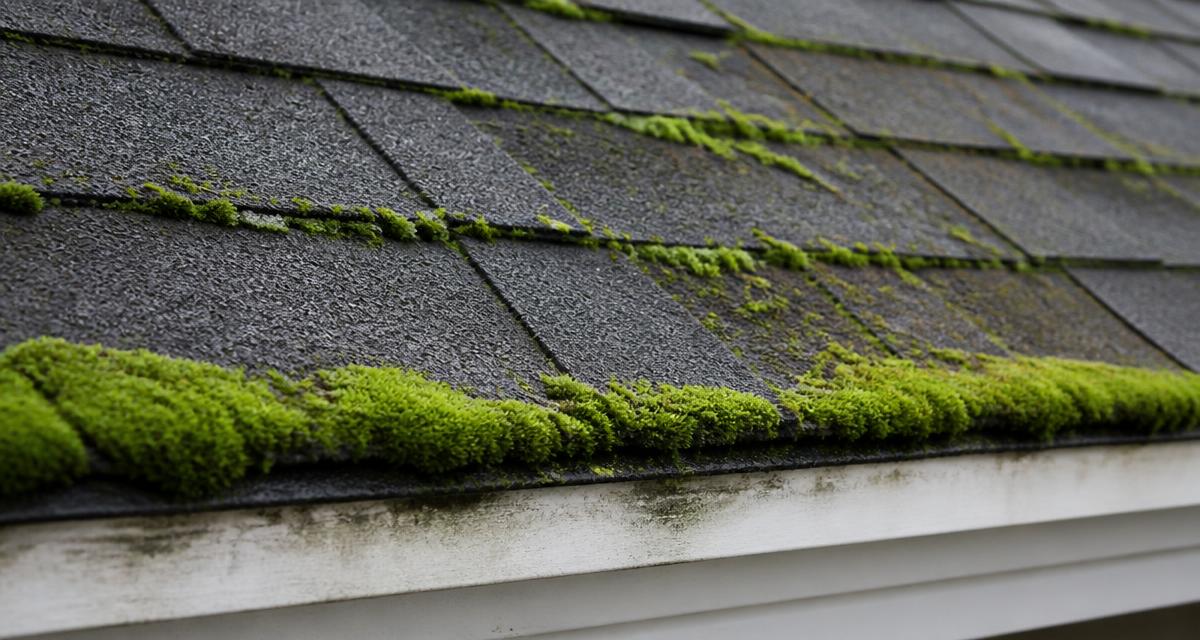
Yes, moss can damage an asphalt shingle roof, but it does so slowly and mechanically rather than through any chemical reaction. Moss holds moisture against the shingle surface, grows into the seams between and under shingle tabs, and physically lifts them as it spreads. Left alone for years, that combination speeds up granule loss and can create paths for water to get underneath the shingle.
Moss is common on roofs across Southern and Central Maine and Southern New Hampshire, particularly on north-facing slopes, roofs shaded by trees, and areas near valleys or chimneys where moisture sits longer. The region's humid summers and shaded, slow-to-dry conditions after rain or snowmelt are exactly what moss needs to establish itself.
The key point for homeowners: a light dusting of moss in a shaded corner is a maintenance item to watch, not an emergency. Thick, established moss mats spreading across a slope are a different situation and worth addressing before they cause more damage.
How moss actually damages shingles
Moss is a small, moisture-loving plant that anchors itself with root-like structures called rhizoids. On a roof, those rhizoids work their way into the microscopic texture of the shingle surface and into the seams between shingle tabs. As the moss grows and thickens, it physically pushes the shingle edges upward, similar to how a plant root can lift a section of pavement over time.
That lifting matters because shingles are designed to shed water when they lie flat and overlap tightly. Once an edge is lifted even slightly, wind-driven rain and melting snow can get underneath it instead of running over it.
Moisture retention is the bigger issue
Moss behaves like a sponge. It holds water against the shingle surface long after the rest of the roof has dried. That extended moisture contact keeps the asphalt surface damp, which can accelerate granule loss in that spot and creates conditions for algae and lichen to move in alongside the moss.
In winter, that trapped moisture becomes a bigger concern. Water held in and under moss can freeze, expand, and work shingles apart in the same way ice does in a crack in pavement. Repeated freeze-thaw cycles through a Maine or New Hampshire winter can do more damage in that spot than an entire summer of moss growth.
Why New England roofs are prone to it
Moss needs shade, moisture, and organic debris to establish. Roofs in wooded areas around towns like Windham, Gorham, or Falmouth often check all three boxes: mature tree cover, humid summers, and leaf litter that collects in valleys and along eaves. North-facing slopes anywhere in the region also dry more slowly after rain or snow, which gives moss more time to take hold compared to a sun-exposed south slope on the same house.
Signs moss is becoming a problem
- Moss thick enough to see a raised, cushiony texture rather than a thin green film
- Shingle edges visibly lifted where moss has grown into the seams
- Granules collecting in gutters near mossy areas more than elsewhere on the roof
- Dark staining or soft spots on the roof deck visible from the attic below a mossy section
- Moss spreading year over year rather than staying contained to one shaded patch
Does a little moss mean I need a new roof?
No. Light moss on an otherwise healthy roof is a maintenance and monitoring issue, not a replacement issue. The shingles underneath may still be structurally sound even with visible moss on the surface. What matters is how long it's been there, how thick it's grown, and whether it's already lifted shingle edges or contributed to granule loss underneath.
Key takeaways
- Moss damages shingles mechanically, by lifting edges and trapping moisture, not through any chemical reaction.
- Trapped moisture under moss is worse in winter, when freeze-thaw cycles can pry shingles apart further.
- North-facing and tree-shaded roofs in Maine and New Hampshire are more prone to moss than sun-exposed slopes.
- Light, contained moss is a monitoring item; thick, spreading moss mats are worth addressing.
- Moss and black algae streaking look and behave differently even though both are moisture-related growth.
Frequently asked questions
Will moss eventually cause a leak?
It can, indirectly, if it's left long enough to lift shingle edges and hold moisture against the deck. It's not immediate, but established moss left untreated for years raises that risk.
Why does moss only grow on part of my roof?
Moss needs consistent moisture and shade to establish. Shaded, slower-drying areas like north-facing slopes, valleys, and spots under overhanging trees are far more hospitable to moss than sun-exposed slopes.
Does moss mean my shingles are already damaged?
Not necessarily. Moss can grow on shingles that are still in good structural condition. The concern is what happens if it's left to spread and thicken over years.
Is moss more common on older roofs?
Not strictly by age. It's more about moisture and shade conditions than the age of the shingle. That said, older shingles with more surface texture and granule loss can give moss more to grip onto.
See moss on your roof and not sure what it means?
A roof assessment can tell you whether moss has affected the shingles underneath and what, if anything, needs to happen next.
Get a free roof assessmentAbout the author
VitalRoofs
Roof rejuvenation specialists, Portland, Maine
VitalRoofs assesses aging asphalt shingle roofs across Southern Maine, Central Maine and Southern New Hampshire, and recommends rejuvenation only where the roof's condition supports it. Articles here are written and reviewed by the VitalRoofs team.
More about VitalRoofs →