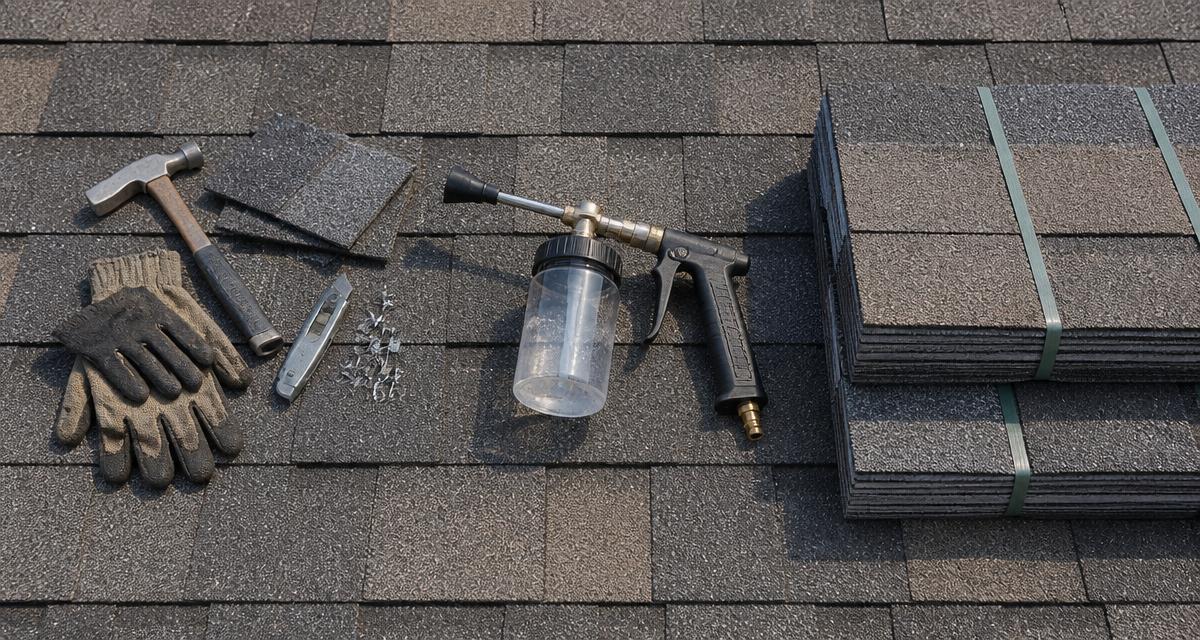
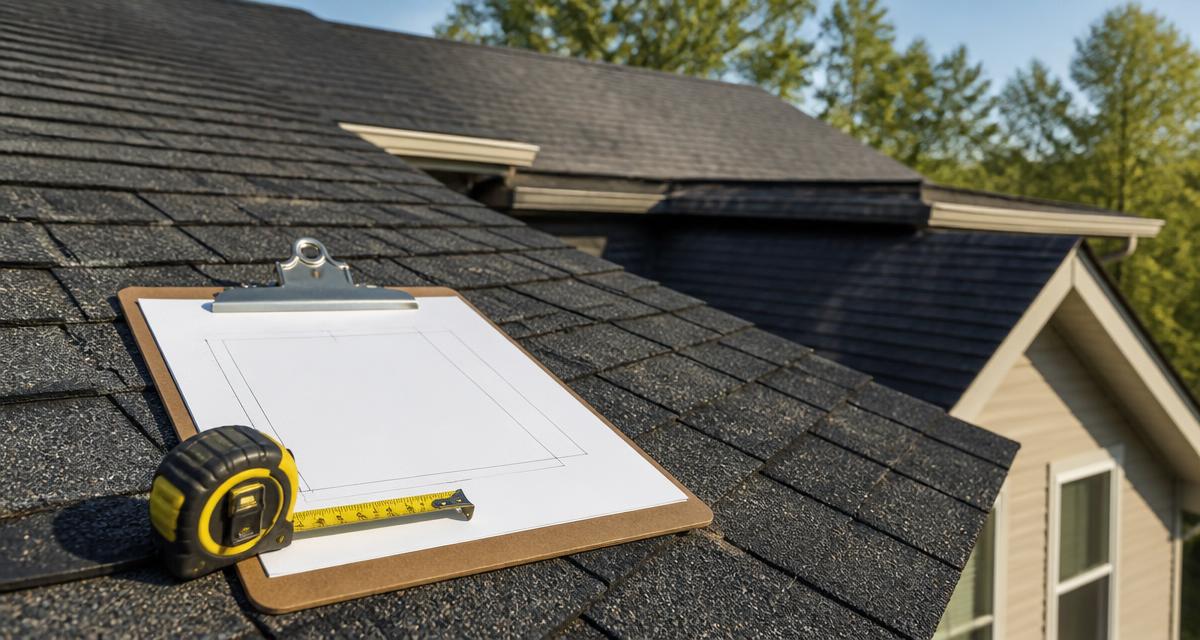
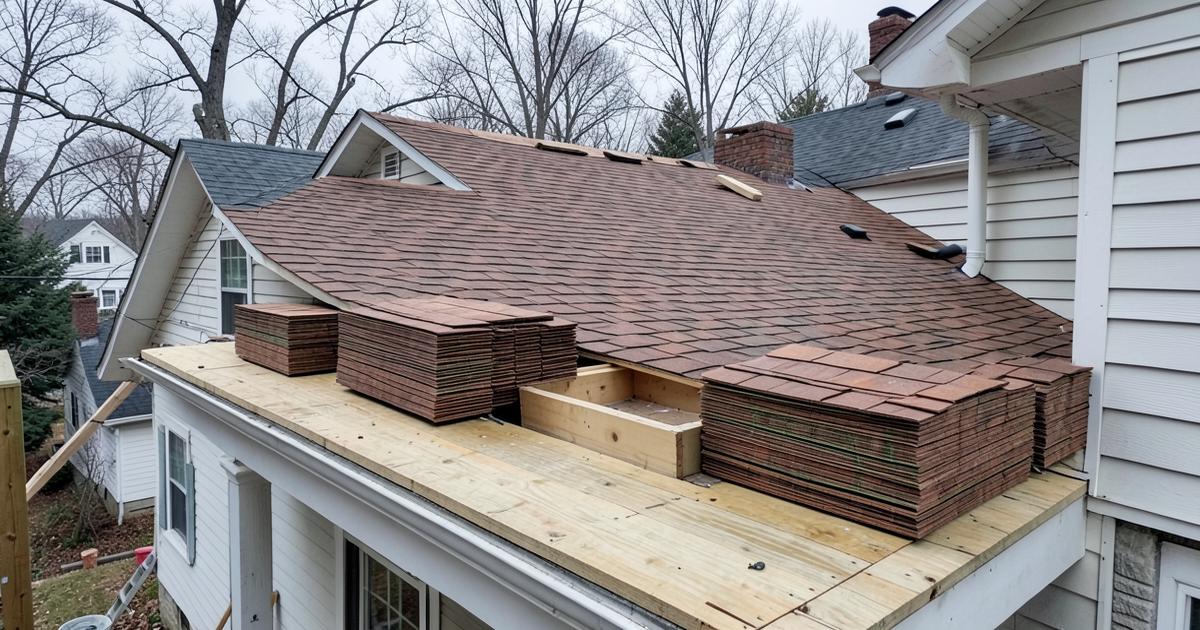
In many places, you can install a new layer of asphalt shingles over one existing layer, which is called a roof overlay or re-roof. Building codes based on the International Residential Code typically allow a maximum of two layers, so a roof that already has two layers needs a full tear-off. Check with your town, since local rules apply.
Just because an overlay is allowed doesn't mean it's the best choice. Homeowners usually consider it to save money, but the savings come with tradeoffs worth understanding first.
Overlay vs. tear-off
Roof overlay compared with a full tear-off
Factor
Overlay
Full tear-off
Upfront cost
Lower (no tear-off or disposal)
Higher
Deck inspection
Deck stays hidden
Deck fully inspected and repaired
Weight
Adds a second layer of weight
Single layer
Appearance
Old bumps and curls can telegraph through
Flat, clean finish
Warranty
Some manufacturer warranties are limited
Full warranty eligibility
Next replacement
Two layers to remove later
One layer to remove
When an overlay is a bad idea
The roof already has two layers
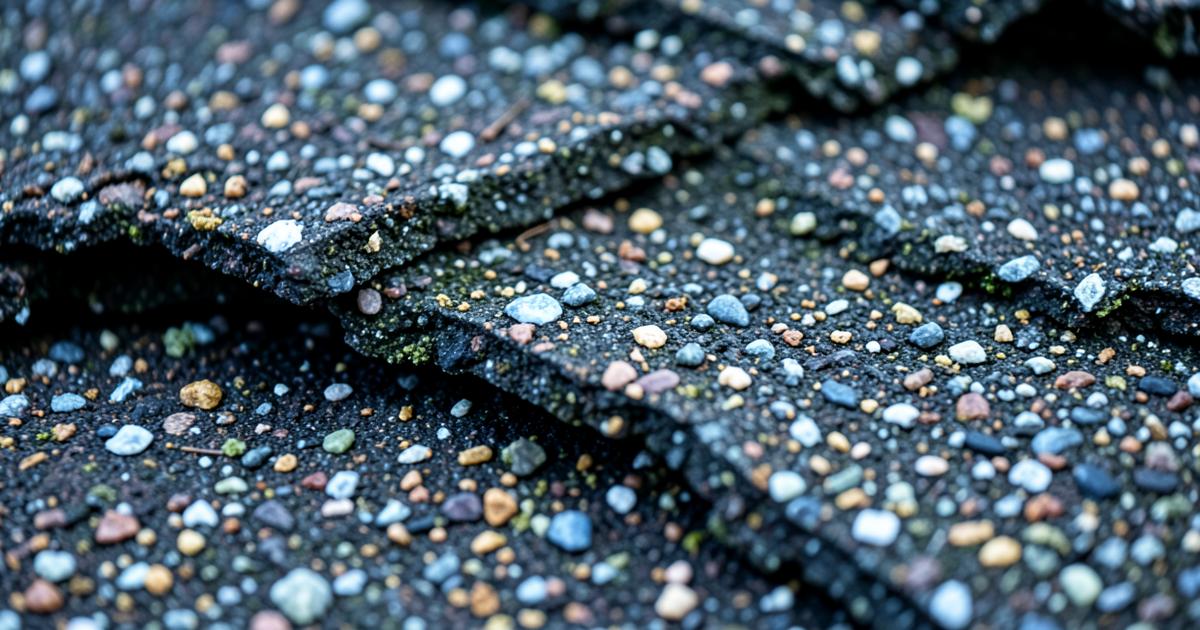
Existing shingles are badly curled, cupped or buckled
There are signs of soft, rotted or sagging decking
There's a history of leaks or ice dam damage, common in Maine
Heavy snow loads are a concern for the roof structure
Another option if your shingles are aging but intact
Many homeowners look into overlays because their shingles look worn, not because the roof is failing. If your existing shingles still lie flat and are roughly 8-20 years old, there may be no reason to add a second layer at all.
Roof rejuvenation treats the shingles you already have, restoring flexibility to asphalt that has dried out over time. It adds no weight, doesn't hide the deck, and doesn't leave a double layer to tear off later. VitalRoofs rejuvenation typically runs $3,000-$5,000 for most homes, compared with $15,000-$30,000+ for replacement. If your shingles are curled, cracked or missing, though, neither an overlay nor rejuvenation is the right answer. That roof needs replacement.
Key takeaways
Overlays are often allowed over one existing layer, but not two.
They save money upfront but hide the deck and add weight.
Curled shingles, soft decking or leak history rule out an overlay.
Tear-offs allow proper ice-and-water shield installation, which matters in Maine.
If shingles are aging but intact, rejuvenation may make both an overlay and replacement unnecessary for now.
Frequently asked questions
How much does an overlay save?+
It skips tear-off labor and disposal, which lowers the upfront price, but savings vary by contractor and roof. Get written quotes for both options.
How many layers of shingles are allowed?+
Codes based on the International Residential Code typically allow a maximum of two layers. Your town's building department has the final word.
Can you rejuvenate a roof that already has two layers?+
It depends on the condition of the top layer. An assessment will tell you whether the shingles qualify.
Find out if your shingles can be saved instead
Our free assessment tells you whether rejuvenation fits or your roof needs replacement. We'll get back to you within 24 hours during business hours.
VitalRoofs assesses aging asphalt shingle roofs across Southern Maine, Central Maine and Southern New Hampshire, and recommends rejuvenation only where the roof's condition supports it. Articles here are written and reviewed by the VitalRoofs team.