
Homeowner decisions··4 min read
Is Roof Rejuvenation Worth It?
Whether roof rejuvenation is worth it depends on your roof's actual condition and your own timeline, not on a generic yes or no. Here's how to reason through it.
Homeowner decisions
By VitalRoofs··4 min read
The question "do I need a new roof" usually comes up because of one visible problem: a stain on the ceiling, a shingle in the yard, a neighbor who just replaced theirs. But one symptom rarely tells the whole story. Some issues are genuinely repairable, and some mean the roof has reached the end of its practical life.
This article separates the two categories as clearly as we can, based on what the sign actually indicates about the roof underneath, not just how alarming it looks.
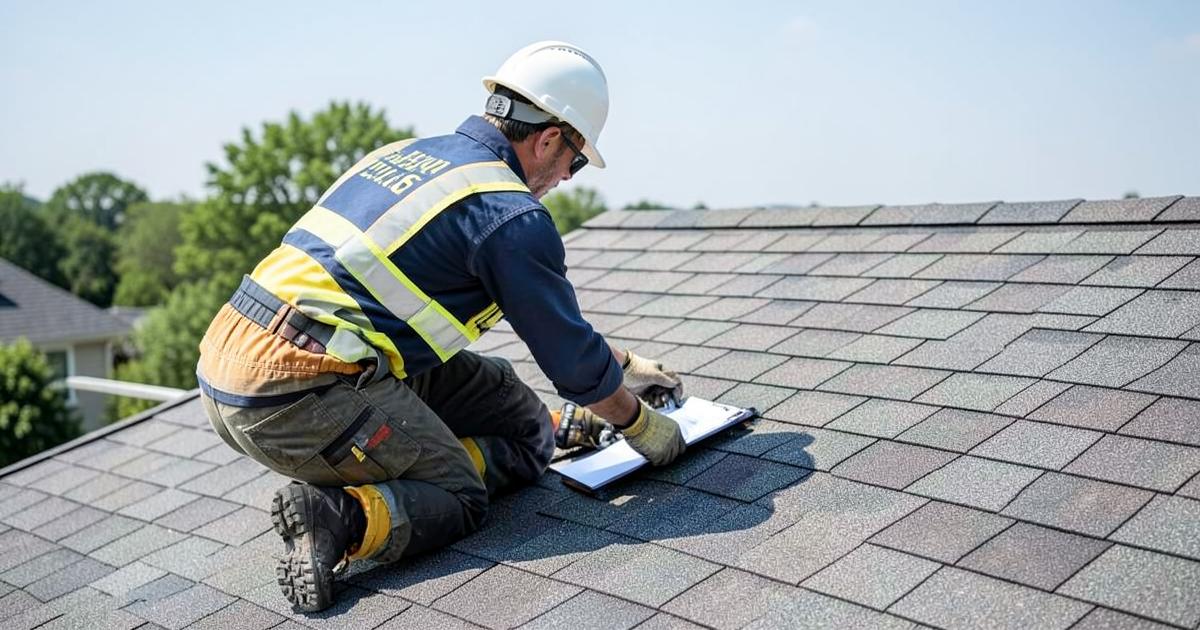
If you're not sure which category your situation falls into after reading this, that's normal. A hands-on inspection is the reliable way to confirm it, and it's worth doing before committing to either repair or replacement.
Replacing a roof over an isolated, repairable issue wastes money. Repeatedly patching a roof that has widespread structural or shingle failure wastes money in a different way, by delaying the inevitable while the underlying damage spreads to decking and framing. Getting this distinction right the first time saves both money and stress.
| What you're seeing | Likely category |
|---|---|
| One leak near a chimney or vent | Repairable - likely a flashing issue |
| A few shingles missing after a storm | Repairable - localized replacement |
| Sagging roofline or ridge | Replacement territory - structural concern |
| Leaks in several unrelated spots | Replacement territory - shingle field is failing broadly |
| Light moss with no leak | Repairable/maintainable - cleaning, not structural |
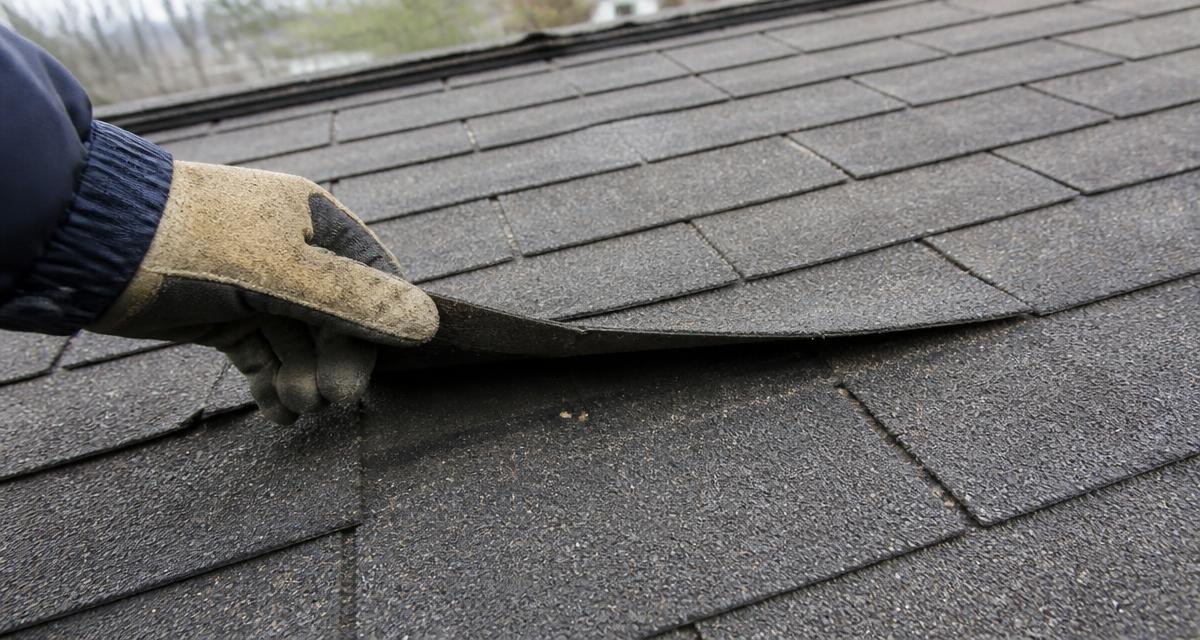
| Widespread brittle, cracking shingles | Replacement territory - material has aged out |
General guidance only. An on-roof inspection confirms which category applies to your roof.
There's a middle category worth mentioning: roofs that aren't failing outright but are aging past their best years, with even wear and no leaks. Those roofs are sometimes candidates for rejuvenation rather than either repair or full replacement. That's a separate path from the repair-versus-replace question this article focuses on, but it's worth knowing it exists if your roof falls into that in-between zone.
Walk your attic with a flashlight during or right after rain if you can, looking for active moisture, staining, or daylight through the decking. From the ground, look for sagging lines, missing shingles, and shingle color inconsistency that might indicate patch repairs over the years. Then get a professional inspection before committing to a repair, a rejuvenation treatment, or a full tear-off. Guessing based on one symptom is how homeowners end up either overpaying or underfixing the problem.
Key takeaways
No. A single leak traced to a specific flashing point, like a chimney or vent boot, is often a repairable, localized issue rather than a sign the whole roof has failed.
Any visible sagging along the ridge or between rafters is worth taking seriously and having inspected, since it usually points to a structural issue rather than a surface-level shingle problem.
Not by itself. Moss and algae growth are common in Maine's climate and are usually a maintenance issue rather than a sign of roof failure, unless it has caused shingle damage underneath.
Age without visible symptoms is worth a proactive inspection, since some aging is visible only up close, like granule loss or early shingle brittleness, and catching it early opens up more options.
Only for roofs that are aging but structurally sound, with no active leaks or widespread shingle failure. It isn't a substitute for replacement on a roof that already meets the replacement-level signs above.
We'll walk your roof, check the signs that actually matter, and tell you honestly whether you're looking at a repair, rejuvenation, or replacement.
See if your roof qualifiesAbout the author
VitalRoofs
Roof rejuvenation specialists, Portland, Maine
VitalRoofs assesses aging asphalt shingle roofs across Southern Maine, Central Maine and Southern New Hampshire, and recommends rejuvenation only where the roof's condition supports it. Articles here are written and reviewed by the VitalRoofs team.
More about VitalRoofs →Homeowner decisions··4 min read
Whether roof rejuvenation is worth it depends on your roof's actual condition and your own timeline, not on a generic yes or no. Here's how to reason through it.
Roof rejuvenation··4 min read
There's no age cutoff where a roof automatically becomes too old for rejuvenation. What actually determines eligibility is the roof's condition, not the number of years since it was installed.