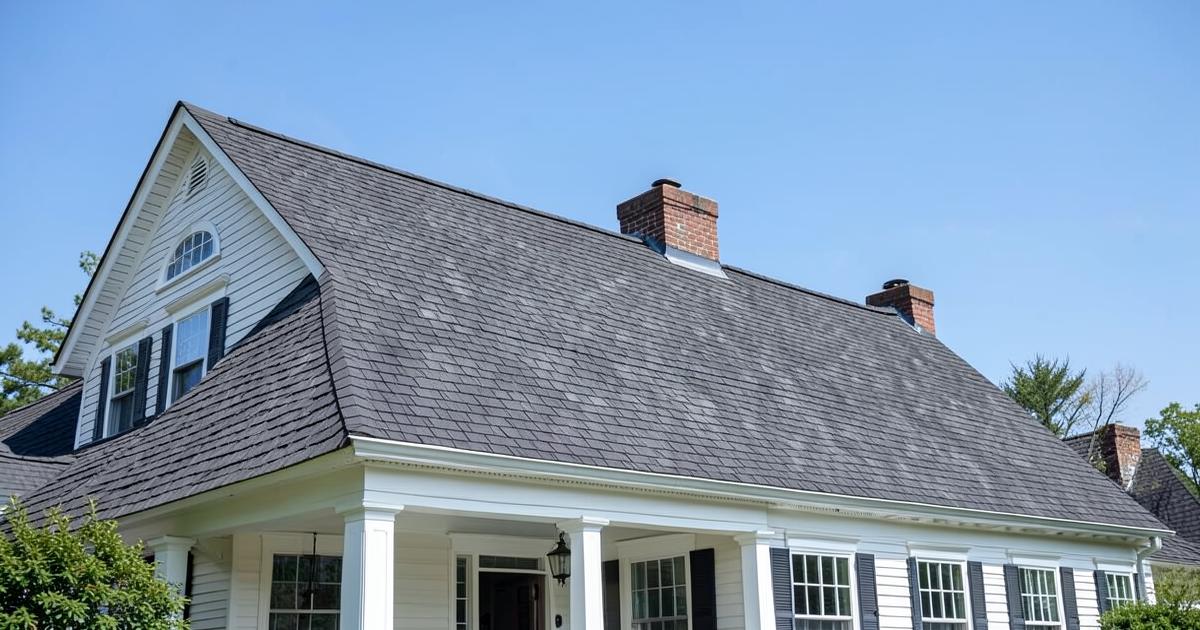
A common assumption is that once a roof passes a certain age, it's automatically too old for rejuvenation and the only option left is full replacement. That assumption isn't accurate. Roof age is a rough proxy for wear, but it's not the actual thing that determines whether a roof can benefit from rejuvenation.
What actually decides eligibility is condition: whether the shingles are still structurally intact, whether the roof deck underneath is sound, and whether there's active water intrusion that needs to be addressed separately. Two roofs can be the same age, installed by the same crew in the same neighborhood, and land in completely different categories once someone actually inspects them.
This isn't a case for stretching every old roof into a rejuvenation candidate. Some genuinely are too far gone. But the deciding factor is what an inspection finds, not a number pulled from the original installation date.
The age-alone misconception
It's an easy shortcut to reach for: a roof is 20 years old, so it must be near the end of its life, so rejuvenation must not apply anymore. The problem is that shingle aging isn't linear or uniform. Two 20-year-old roofs can have completely different wear profiles depending on sun exposure, ventilation, installation quality, and how they've weathered Maine winters. Treating age as a hard cutoff ignores all of that.
Condition versus chronological age
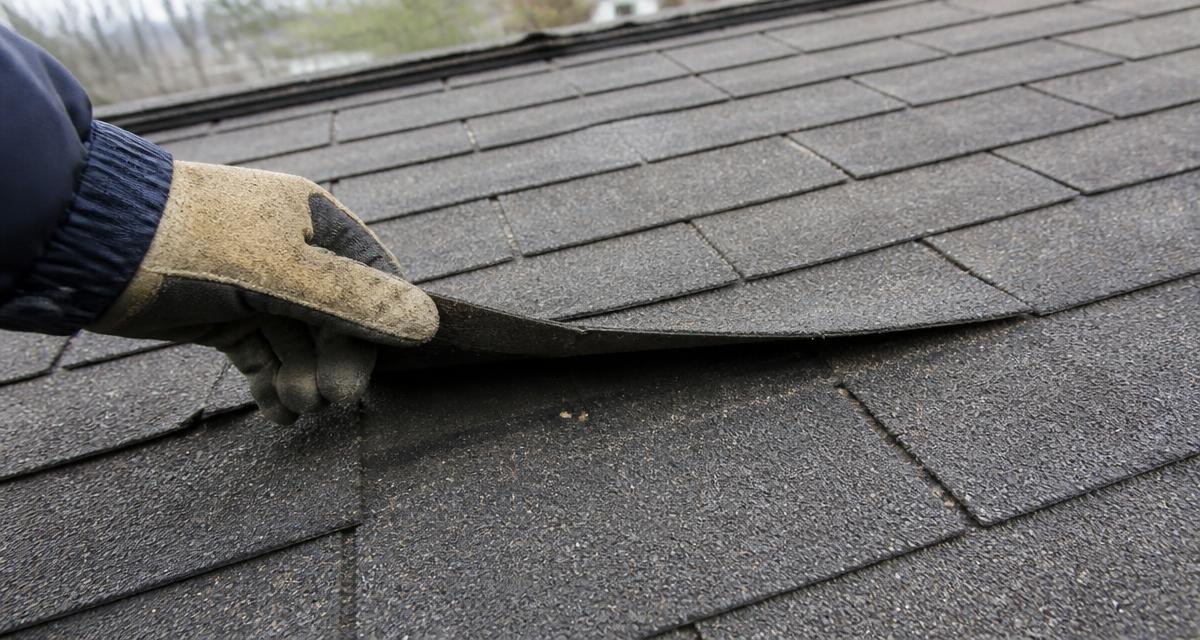
Condition means the actual, present-day state of the shingles, the deck, and the flashing details, independent of the calendar. A roof's condition is what an inspector is checking for: shingle flexibility, granule coverage, whether the mat has cracked through, and whether the deck shows soft spots or water staining. A roof in good condition for its age can be a reasonable rejuvenation candidate even at 18 or 20 years old. A roof in poor condition for its age might be a replacement candidate at 12.
Age versus condition: two different questions
Question
What it tells you
Why it isn't enough alone
How old is the roof?
A rough sense of typical wear stage
Doesn't account for climate exposure, ventilation, or installation quality
What condition is it in now?
The shingles' actual flexibility, granule coverage, and the deck's soundness
Requires a physical inspection rather than an assumption
Signs a roof has moved past the point rejuvenation can help
Shingles that have cracked through the mat, not just lost surface granules
Widespread curling or cupping across multiple roof sections
Active leaks tied to shingle failure rather than an isolated flashing issue
A roof deck with soft spots, sagging, or water staining visible from the attic
Missing shingles across large sections rather than one isolated area
When several of these show up together, the roof has generally moved past the stage where a surface-condition treatment can meaningfully help, regardless of the roof's exact age.
Signs an older roof may still be a reasonable candidate
Shingles that are dry or slightly brittle but not cracked through
Moderate, scattered granule loss rather than widespread bald patches
No history of active leaks
A deck that inspects as sound with no soft spots
Shingles that remain physically intact and attached across the roof
Why chasing a number can backfire
Relying on an age cutoff cuts both ways. It can lead a homeowner with a genuinely well-preserved older roof to assume replacement is their only option, spending significantly more than necessary. It can also lead a homeowner with a younger but poorly maintained or badly installed roof to assume rejuvenation will work when the roof has already failed in ways that treatment can't reverse. Neither outcome serves the homeowner.
What an inspection actually checks
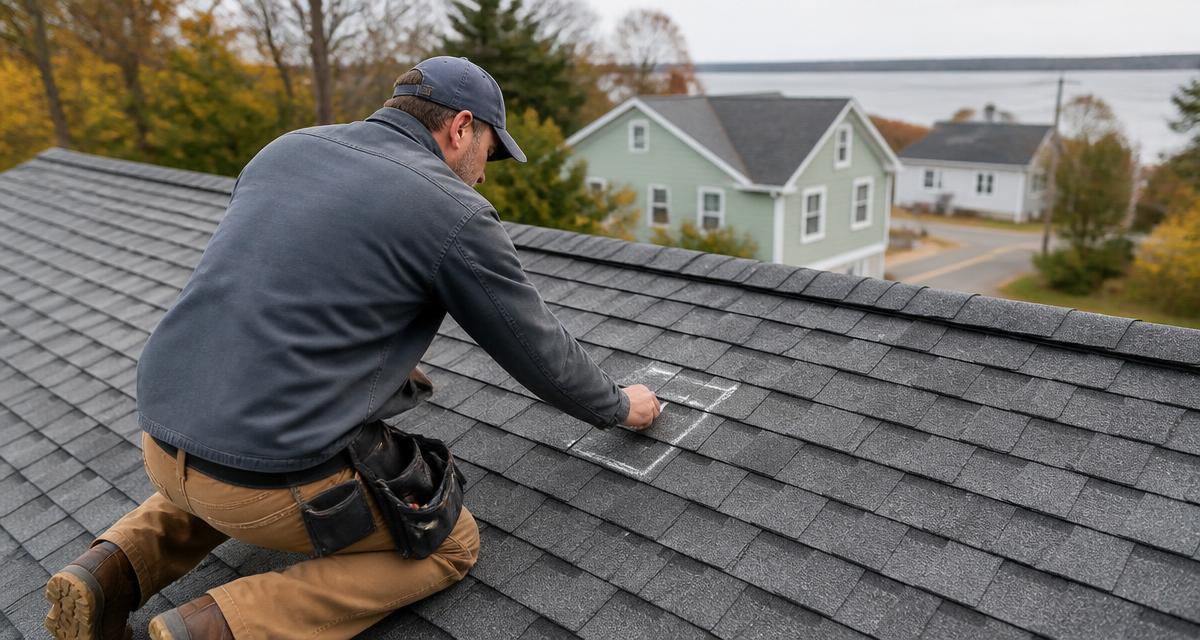
A real candidacy inspection looks at shingle flexibility up close, checks for the extent and pattern of granule loss, examines flashing at chimneys, valleys, and penetrations, and, where possible, checks the underside of the deck for water staining or soft spots. This is a different process than a drive-by estimate, and it's the only way to answer the age question honestly for a specific roof.
Key takeaways
There's no fixed age at which a roof automatically becomes too old for rejuvenation.
Condition — shingle integrity, deck soundness, leak history — determines eligibility, not the calendar.
Cracked shingle mats, widespread curling, and deck damage are signs a roof has moved past this option.
A well-preserved older roof can still be a reasonable candidate.
Only a physical inspection can answer the question for your specific roof.
Frequently asked questions
Is there a maximum age for roof rejuvenation?+
No fixed age cutoff exists. Eligibility depends on the roof's actual condition — shingle integrity and deck soundness — rather than years since installation.
Can a 25-year-old roof still qualify?+
It's possible if the shingles are still intact, granule loss is moderate, there are no active leaks, and the deck is sound. It depends entirely on what an inspection finds.
What disqualifies a roof regardless of age?+
Cracked-through shingle mats, widespread curling, active leaks tied to shingle failure, and a compromised roof deck typically rule out rejuvenation at any age.
Why do some younger roofs not qualify?+
A younger roof with poor installation, ventilation problems, or storm damage can show wear well beyond its age, sometimes putting it past the point rejuvenation can address.
How do I find out if my specific roof qualifies?+
The only reliable way is a physical inspection that checks shingle flexibility, granule loss patterns, flashing condition, and the roof deck itself.
Curious whether age is really the deciding factor for your roof?
An inspection looks at your roof's actual condition, not just how old it is.
VitalRoofs assesses aging asphalt shingle roofs across Southern Maine, Central Maine and Southern New Hampshire, and recommends rejuvenation only where the roof's condition supports it. Articles here are written and reviewed by the VitalRoofs team.