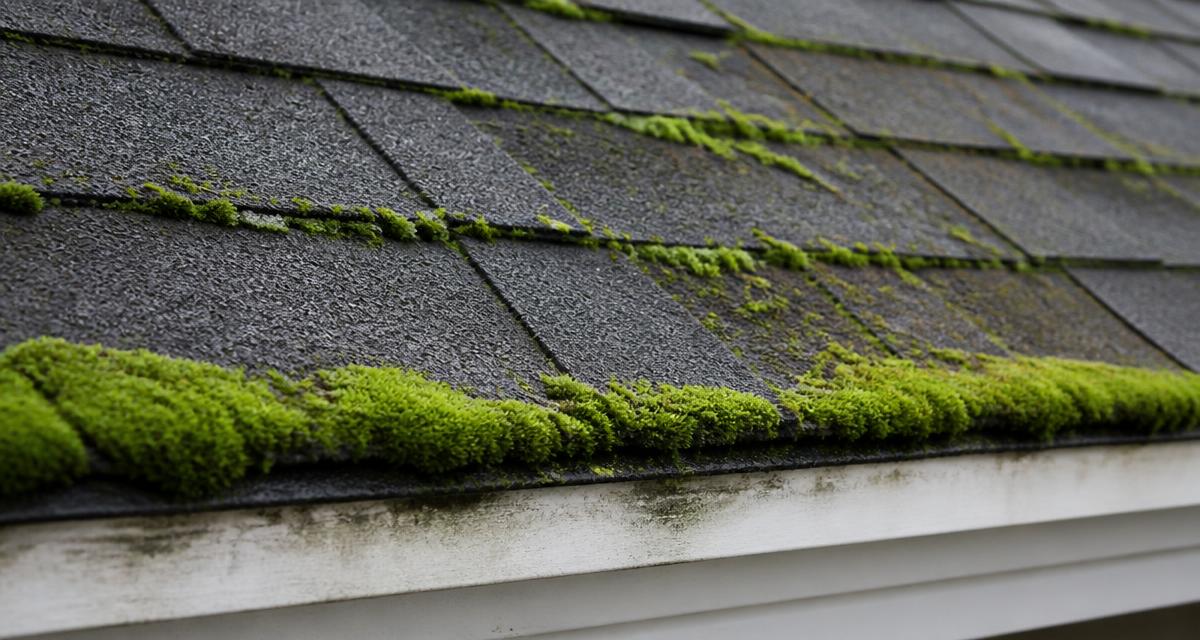
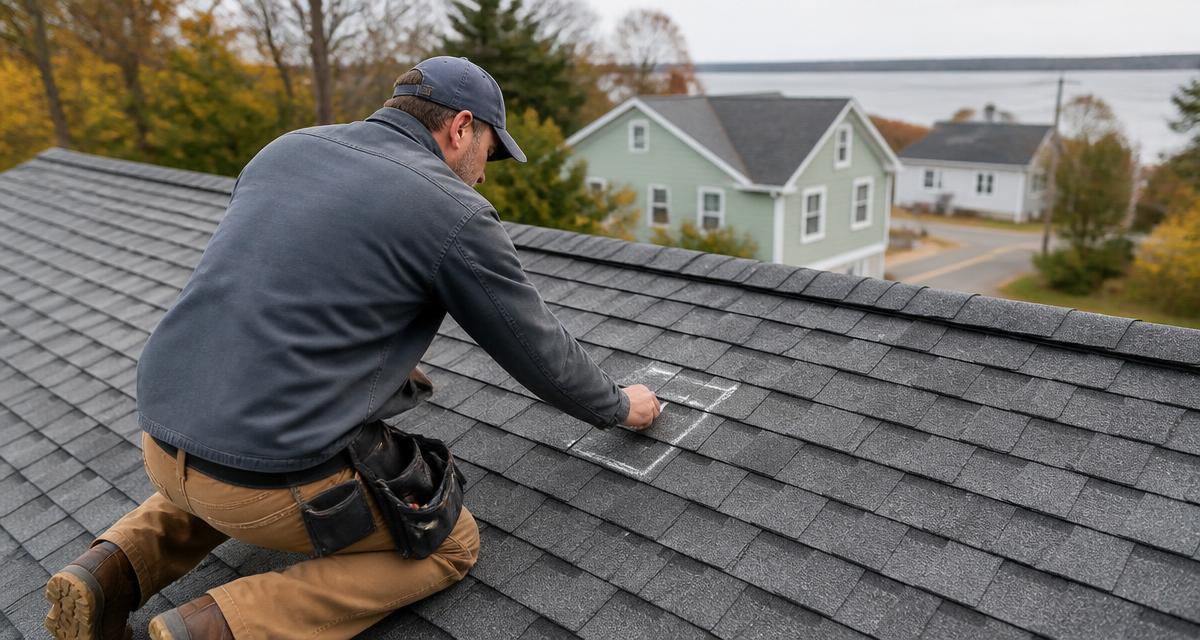
In most cases, yes, moss and heavy biological growth should be addressed before a roof rejuvenation treatment is applied. Rejuvenation products are designed to penetrate the asphalt shingle surface and restore some of the flexibility lost to oxidation. Moss, algae, and built-up debris sit on top of that surface and can block a treatment from reaching the shingle the way it's meant to.
This isn't a DIY prep step. Moss removal on a roof carries real risk, both to the shingles and to whoever is up there doing it, and it needs to be sequenced correctly with any treatment plan. This article explains why order matters and what a proper sequence generally looks like, without walking through do-it-yourself cleaning steps.
Why sequencing matters
A rejuvenation treatment works by soaking into the shingle's asphalt layer. If moss, algae, lichen, or a heavy layer of organic debris is sitting on top of the shingle, the treatment can't make even contact with the surface it's meant to condition. Applying a treatment over uncleaned growth risks uneven results at best, and at worst, wasting the treatment on a surface layer that will eventually be scraped or washed away anyway, taking the treatment with it.
There's also a practical inspection reason to clean first. Moss and heavy staining can hide the true condition of the shingles underneath, including cracking, granule loss, or soft spots. A roofer needs to see the actual shingle surface to judge whether a roof is a good rejuvenation candidate in the first place.
Why this isn't a DIY step
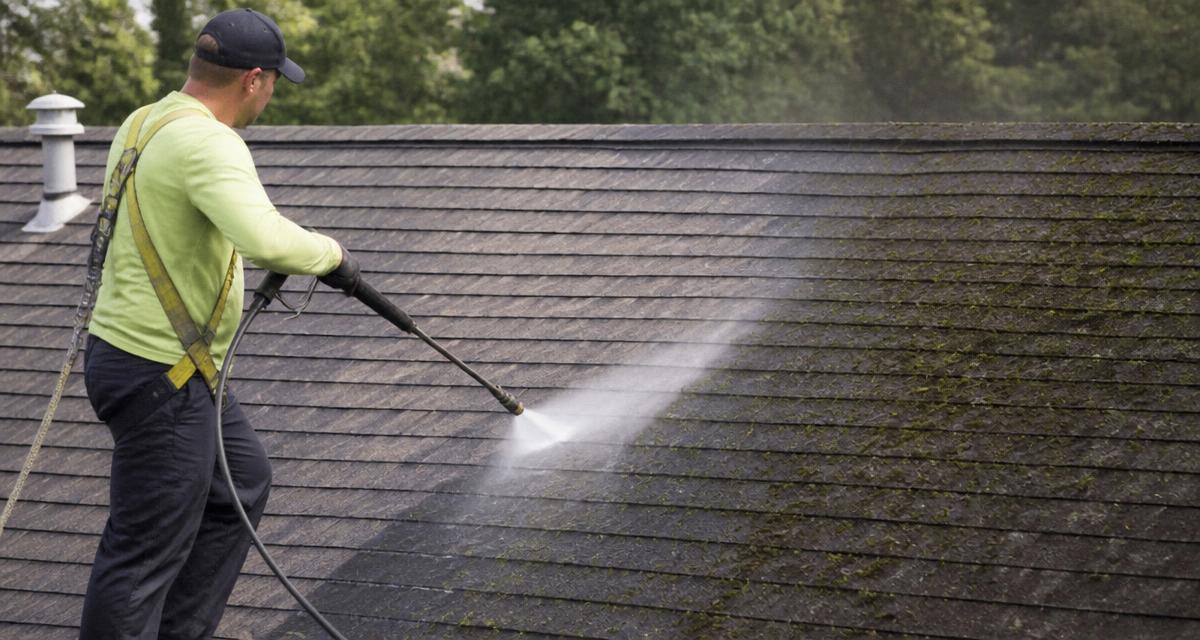
Removing moss from a roof is not the same as clearing it from a walkway or patio. Roofs are steep, often slick when wet or mossy, and a fall risk for anyone without the right equipment and training. Beyond personal safety, the method matters just as much as the outcome. Scraping moss off with a shovel or stiff brush, or pressure washing it at close range, can gouge the shingle surface, strip granules, and force water up under the shingle edges the moss was already growing into. That kind of damage can be worse than the moss itself.
The right approach depends on how established the growth is, the condition of the shingles underneath, and the roof's pitch and accessibility. That's a judgment call best made by someone who can assess the roof in person, not a generic checklist.
What a proper sequence looks like
Inspection first. A roofer looks at the actual condition of the shingles, including areas hidden under moss or algae.
Cleaning appropriate to the growth and shingle condition, done in a way that doesn't strip granules or force water under the shingle edges.
A follow-up look at the cleaned surface to confirm the shingles are still a good rejuvenation candidate, since some roofs turn out to have more damage under the growth than expected.
Rejuvenation treatment applied to the clean, dry shingle surface so it can properly penetrate and condition the asphalt.
What if the shingles are damaged under the moss?
Sometimes cleaning reveals more wear than expected, such as cracked tabs, exposed mat, or soft decking underneath. In that case, rejuvenation may no longer be the right fit for that section or the roof as a whole, and repair or replacement becomes the more honest recommendation. This is exactly why cleaning and inspection happen before any treatment is applied, rather than assuming the surface underneath is fine.
Key takeaways
Moss and heavy biological growth generally need to be cleaned before a rejuvenation treatment can properly penetrate the shingle surface.
Cleaning also lets a roofer see and assess the true condition of the shingles underneath.
Moss removal is not a DIY roof project; incorrect methods can strip granules or force water under shingles.
The right cleaning approach depends on the roof and growth, not a one-size-fits-all method.
If shingles turn out to be damaged under the moss, rejuvenation may no longer be the right fit for that area.
Frequently asked questions
Can rejuvenation treatment be applied directly over moss?+
No. Moss sits between the treatment and the shingle surface it needs to reach, so growth generally needs to be addressed first for the treatment to work as intended.
Can I scrub the moss off myself before calling a roofer?+
It's not recommended. Improper scrubbing or pressure washing can strip granules and force water under shingle edges, causing more damage than the moss itself.
Does cleaning moss off always mean the roof is fine for rejuvenation?+
Not always. Cleaning sometimes reveals shingle damage that was hidden under the growth, which can change whether rejuvenation is still the right fit.
How do I know if my moss problem is serious enough to deal with before considering rejuvenation?+
Thick, established moss that's lifted shingle edges or spread significantly is worth having assessed. Light, contained moss may be a lower-priority item, but a professional look will tell you for sure.
Have moss on a roof you're considering for rejuvenation?
Let's take a look at what's underneath before recommending any next step.
VitalRoofs assesses aging asphalt shingle roofs across Southern Maine, Central Maine and Southern New Hampshire, and recommends rejuvenation only where the roof's condition supports it. Articles here are written and reviewed by the VitalRoofs team.