
Roof maintenance··5 min read
Why Are Granules Coming Off My Roof Shingles?
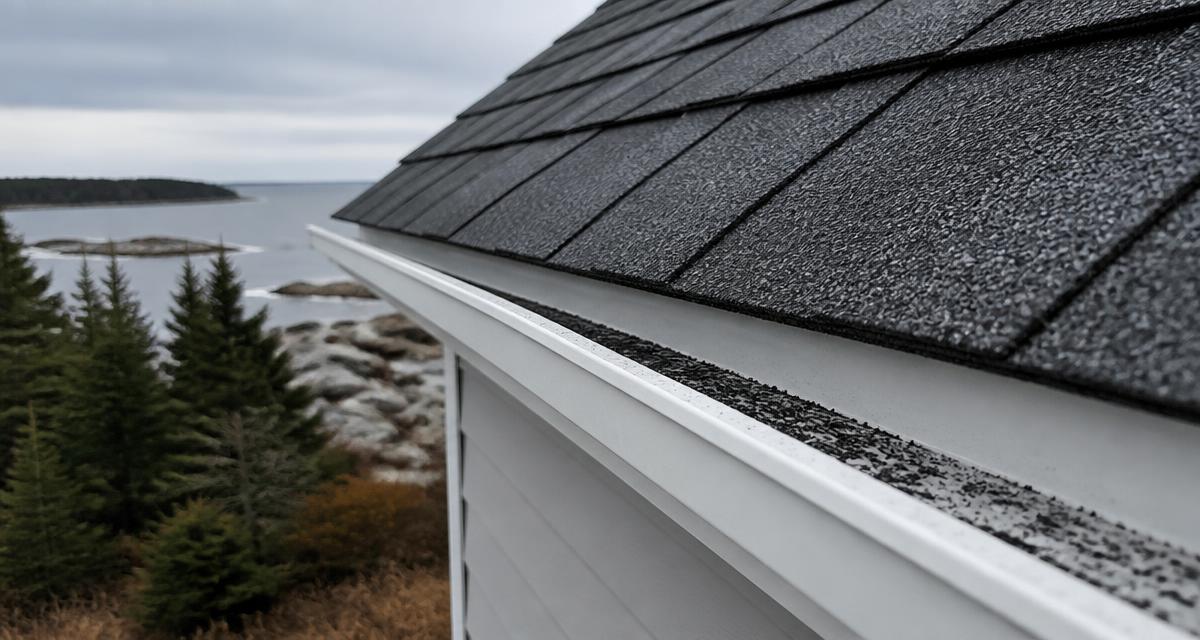
Finding granules in your gutters isn't automatically a bad sign. It depends on how much, where it's coming from, and what the shingles look like up close.
Roof maintenance
By VitalRoofs··5 min read
Asphalt shingles are built to last for years, but they are not static. From the day they're installed, sun, heat, cold, and moisture start a slow chemical and physical process that changes how the shingle looks, feels, and performs. Understanding that process helps you read your own roof and know when normal aging has crossed into a problem worth addressing.
The short version: asphalt shingles age mainly because the asphalt itself oxidizes and loses the oils that keep it flexible. As that happens, the surface granules loosen, the shingle becomes stiffer and more brittle, and the mat underneath becomes more exposed to water and UV damage. None of this happens overnight. It happens in stages, and different parts of the same roof can age at different rates depending on sun exposure and ventilation.
This article walks through what's physically happening to a shingle as it ages, what you'll see from the ground and up close, and how that relates to decisions homeowners eventually face about maintenance, rejuvenation, or replacement.
The asphalt layer in a shingle is a petroleum-based material blended with fillers and reinforced with a fiberglass mat. When it's manufactured, it contains oils that keep it pliable. Sunlight, heat, and oxygen react with that asphalt over years of exposure in a process called oxidation, similar to what happens to a rubber gasket or an old garden hose left outside. Oxidation is not damage from a defect. It's a normal chemical reaction that every asphalt shingle roof goes through, just at different speeds depending on climate and sun exposure.
In Maine and New Hampshire, that process is shaped by a wide seasonal temperature swing. Shingles bake in summer sun, then go through repeated freeze-thaw cycles all winter. That expansion and contraction accelerates the same oxidation process that would happen more slowly in a milder, more stable climate.
As oxidation progresses, the asphalt gradually loses the lightweight oils that make it flexible. A new shingle can flex slightly with temperature changes and minor deck movement without cracking. An older, oxidized shingle has lost much of that give. It becomes stiffer, and stiff asphalt is asphalt that cracks instead of bending.
This is one of the main reasons roofers avoid walking heavily on an older roof, especially on a cold morning. The same shingle that would compress harmlessly when it was five years old can crack under foot traffic once it's lost most of its flexibility.
The ceramic-coated granules embedded in the shingle surface serve two jobs: they shield the asphalt from direct UV exposure, and they give the shingle its fire resistance and color. Granules are bonded to the shingle using asphalt as an adhesive. As that asphalt oxidizes and loses its bonding oils, the grip on the granules weakens and they shed more easily, especially during wind, hail, or heavy rain.
Some granule loss is normal, particularly right after installation when loose manufacturing granules wash off. But steady, ongoing granule loss on an older roof is different. It's a sign that the asphalt underneath is losing its protective coating, which speeds up further oxidation in a self-reinforcing cycle.
Cracking usually shows up first at the tabs, where the shingle is thinnest and gets the most direct sun and thermal movement. Hairline cracks widen over repeated freeze-thaw cycles as water gets into them and expands when it freezes.
Curling happens when the shingle edges lift away from the roof deck, either curling upward at the corners or across the whole tab. It's typically driven by a combination of oxidized, stiffened asphalt and, in some cases, poor attic ventilation trapping heat and moisture against the underside of the roof deck. Curled shingles are more vulnerable to wind uplift and water intrusion at the edges.
UV light breaks down the asphalt's surface chemistry and fades pigment in the granules. This is why a south- or west-facing slope often looks visibly more worn and faded than a north-facing slope on the same house. The sun-facing side is doing more work and aging faster, even though both slopes were installed the same day with the same materials.
None of these changes mean a roof needs to be replaced the moment they appear. Early- to mid-stage oxidation, some granule loss, and light surface fading are common on roofs that still have years of useful service left, especially if the underlying shingles are still mechanically sound and properly sealed. That's the window where routine maintenance and, for eligible roofs, rejuvenation treatments are worth evaluating.
Advanced cracking, widespread curling, exposed fiberglass mat, or shingles that crumble when handled are a different story. At that stage the asphalt has lost too much of its structural integrity for surface treatment to help, and replacement becomes the realistic path.
Key takeaways
Not always. A small amount right after installation is normal manufacturing runoff. Persistent, heavy granule loss over time on an older roof is a sign of advancing asphalt oxidation.
Sun exposure. South- and west-facing slopes take more direct UV and heat, which accelerates oxidation and fading compared to shaded or north-facing slopes.
Individual curled shingles are usually a repair item, not something that can be reversed. Widespread curling across a roof is typically a sign the asphalt has aged significantly and is worth a full assessment.
Yes. Poor ventilation traps heat and moisture against the underside of the roof deck, which can accelerate oxidation and curling from below, on top of normal UV aging from above.
Light surface fading, minor granule loss, and slight stiffening are normal aging. Cracking that runs through the shingle, exposed fiberglass mat, or shingles that crumble when touched indicate the material has failed structurally.
A short on-site assessment can tell you whether your shingles are in the early aging window or past the point where treatment helps.
See if your roof qualifiesAbout the author
VitalRoofs
Roof rejuvenation specialists, Portland, Maine
VitalRoofs assesses aging asphalt shingle roofs across Southern Maine, Central Maine and Southern New Hampshire, and recommends rejuvenation only where the roof's condition supports it. Articles here are written and reviewed by the VitalRoofs team.
More about VitalRoofs →Roof maintenance··5 min read
Finding granules in your gutters isn't automatically a bad sign. It depends on how much, where it's coming from, and what the shingles look like up close.
Maine & New Hampshire roofing··6 min read
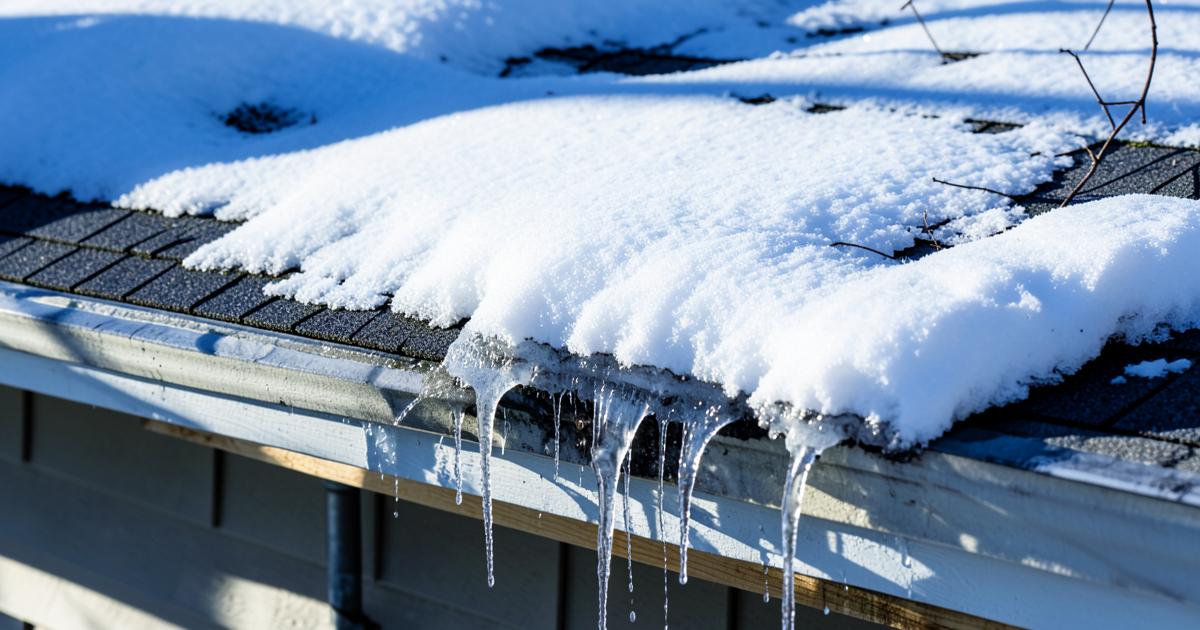
There's no single answer for how long an asphalt shingle roof lasts in Maine. Climate, installation quality, ventilation, and shingle grade all push the number in different directions.
Roof rejuvenation··5 min read
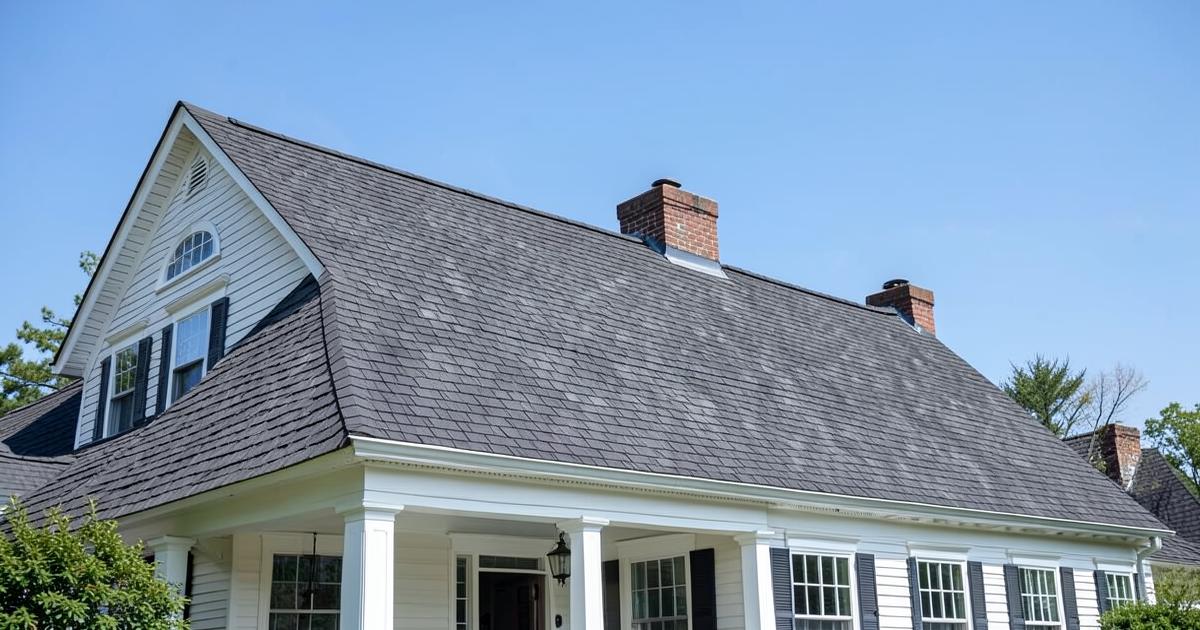
Not every aging roof needs full replacement. Here are seven signs that a roof may be a reasonable candidate for rejuvenation, and why an inspection is still the only way to confirm it.