What to Do If Your Roof Is Leaking: A Step-by-Step Guide
By VitalRoofs··3 min read
If your roof is leaking, focus first on limiting interior damage: catch the water, move belongings, and relieve any bulging ceiling safely. Then document the damage and get the leak source diagnosed and repaired by a roofing professional.
Don't climb onto a wet, icy or snowy roof yourself. Most leak damage comes from waiting, not from the first drip, so act quickly but safely.
What to do right now
Catch the water with buckets or bins, and lay towels to protect floors.
Move furniture, electronics and valuables away from the leak.
If the ceiling is bulging with water, place a bucket underneath and carefully poke a small hole at the lowest point to drain it. This prevents a larger collapse.
If water is near light fixtures or outlets, turn off power to that area at the breaker.
Check the attic with a flashlight to see where water is coming in, if it's safe to do so.
Take photos and video of the damage, inside and out, for your records and any insurance claim.
Common causes of roof leaks in Maine and New Hampshire
Ice dams forcing meltwater under shingles at the eaves
Failed flashing around chimneys, skylights and walls
Cracked rubber pipe boots around vent pipes
Missing or wind-damaged shingles after a nor'easter
Clogged gutters backing water under the roof edge
Attic condensation, which can look like a leak
Water often travels along rafters before dripping, so the stain on your ceiling may be several feet from the actual entry point. That's why a proper inspection matters before any repair.
What happens next
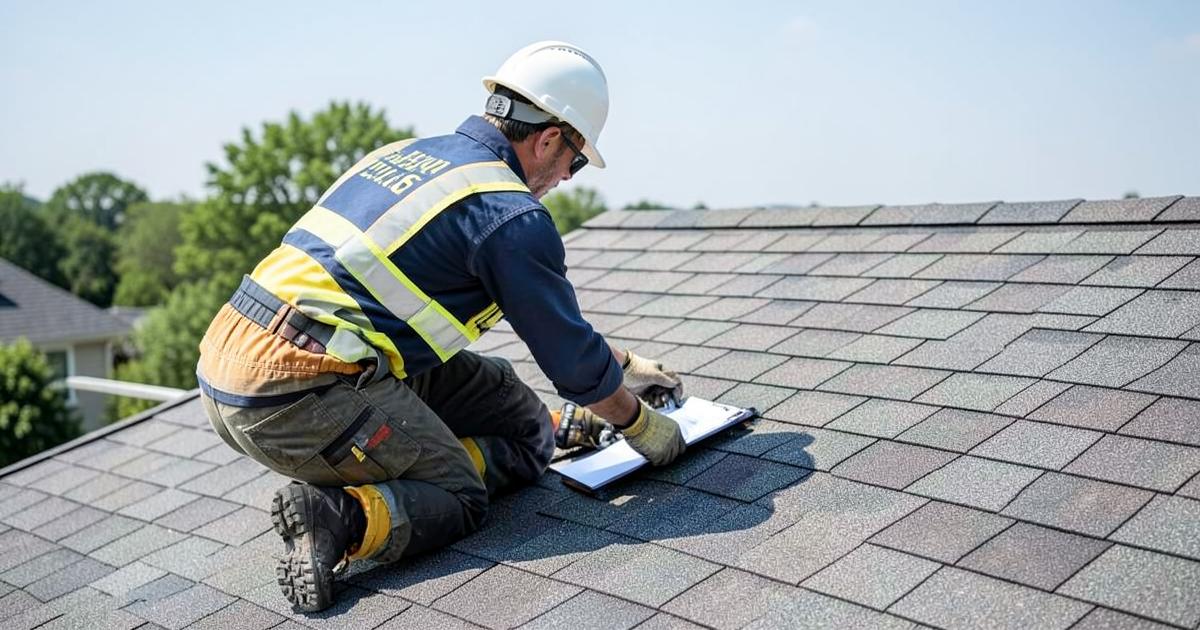
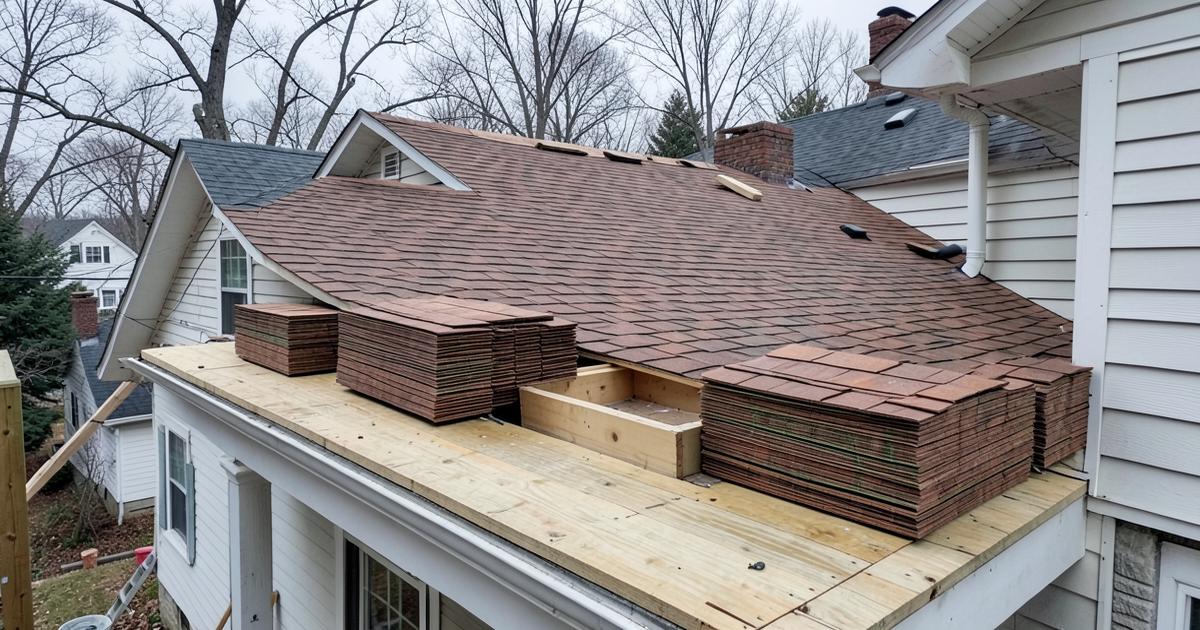
A roofer will locate the entry point and recommend a targeted repair, such as resealing flashing, replacing a pipe boot or swapping damaged shingles. If the leak is caused by a sudden event such as storm damage, contact your insurer. If the roof is old and failing in several places, the conversation may turn to replacement.
After the repair: protecting the rest of your roof
Rejuvenation does not fix leaks, and anyone who says otherwise is overselling it. But once the leak is repaired, many homeowners find the rest of the roof is still in decent shape. If the shingles are roughly 8-20 years old, still intact and just starting to turn brittle or shed granules, rejuvenation can restore flexibility so they better resist the freeze-thaw cycles and ice dams that cause many Maine leaks in the first place.
That can mean a $3,000-$5,000 treatment for most homes through VitalRoofs instead of a $15,000-$30,000+ replacement triggered by a single repairable leak.
Key takeaways
Contain the water and protect belongings first.
Never climb on a wet or icy roof.
Document damage with photos for insurance.
The stain inside may be far from the actual leak source, so get it diagnosed.
Rejuvenation doesn't fix leaks, but can protect a sound roof after the repair.
Frequently asked questions
Is a roof leak an emergency?+
An active leak should be addressed quickly to prevent ceiling, insulation and mold damage, but you can usually contain it safely while you arrange a repair.
Can I put a tarp on my roof myself?+
Only if it's dry, safe and you're comfortable on a ladder. Otherwise, wait for a professional. Falls are far more costly than the leak.
Does a leak mean I need a new roof?+
Not necessarily. Most leaks come from a specific failure like flashing or a pipe boot that can be repaired. Widespread shingle failure is what points to replacement.
Can roof rejuvenation stop a leak?+
No. The leak must be repaired first. Rejuvenation is only considered afterward for the rest of the roof, if it qualifies.
Leak repaired? Find out what the rest of your roof needs
Our free assessment tells you honestly whether your roof has years left and whether rejuvenation fits. We'll get back to you within 24 hours during business hours.
VitalRoofs assesses aging asphalt shingle roofs across Southern Maine, Central Maine and Southern New Hampshire, and recommends rejuvenation only where the roof's condition supports it. Articles here are written and reviewed by the VitalRoofs team.