No, roof rejuvenation does not fix a leak. It's a surface treatment applied to existing asphalt shingles to restore flexibility and slow further granule loss. It doesn't seal gaps, replace failed flashing, or patch a hole, which are the actual mechanisms behind almost every roof leak.
If your roof is leaking, the leak source needs to be found and repaired first, by conventional roofing repair methods. Rejuvenation is something to consider afterward, for the rest of the roof's remaining shingle life, not as a substitute for that repair.
This distinction matters because rejuvenation is sometimes marketed in ways that blur the line between restoring shingle condition and fixing water intrusion. They are not the same thing, and treating a leaking roof with rejuvenation product instead of fixing the leak will not stop the water.
Why rejuvenation can't fix a leak
Leaks happen because water is finding a path through a gap, crack, or failed seal: at flashing around chimneys, vents, and skylights, at nail penetrations, in valleys where two slopes meet, or through a section of deteriorated or missing shingle. Rejuvenation treatment is applied to the surface of intact shingles to recondition the asphalt and granules. It doesn't fill physical gaps, it doesn't re-seal flashing, and it isn't formulated to bridge a hole in the roofing system. Applying it over an active leak source doesn't change any of those physical realities.
Think of it this way: rejuvenation extends the useful life of shingles that are still doing their job. A leak means some part of the roofing system already isn't doing its job. Those are two different problems with two different fixes.
What actually causes most roof leaks
Failed or improperly installed flashing around chimneys, skylights, and vent pipes
Deteriorated or cracked pipe boots (the rubber collar around vent penetrations)
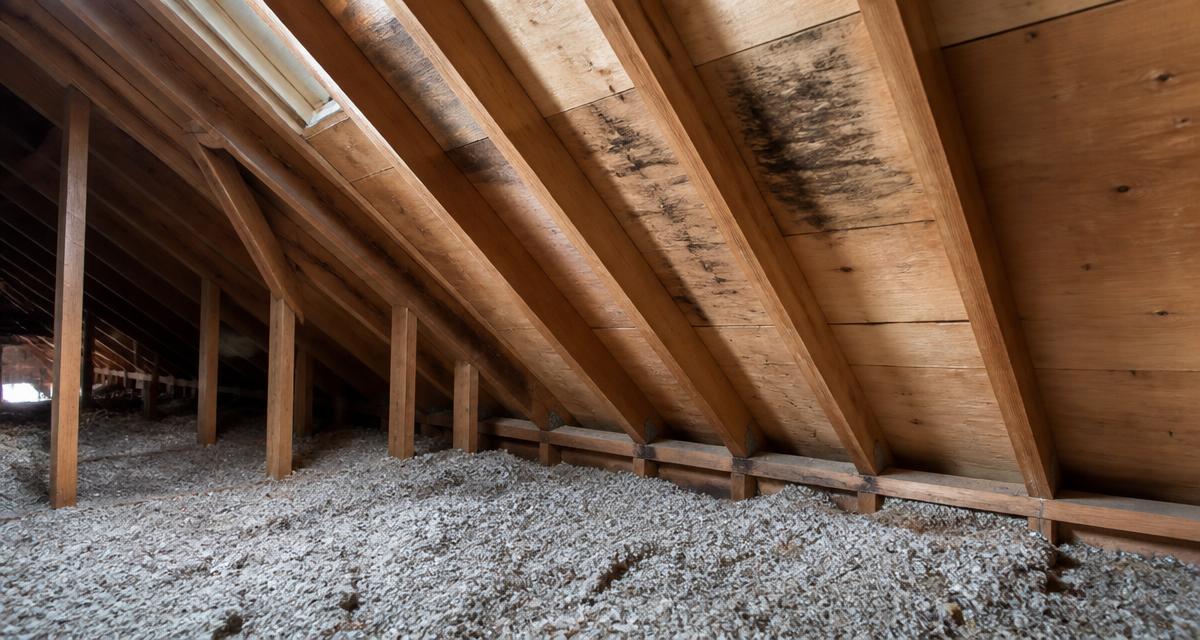
Ice dams backing water up under shingles, especially common in Maine and New Hampshire winters
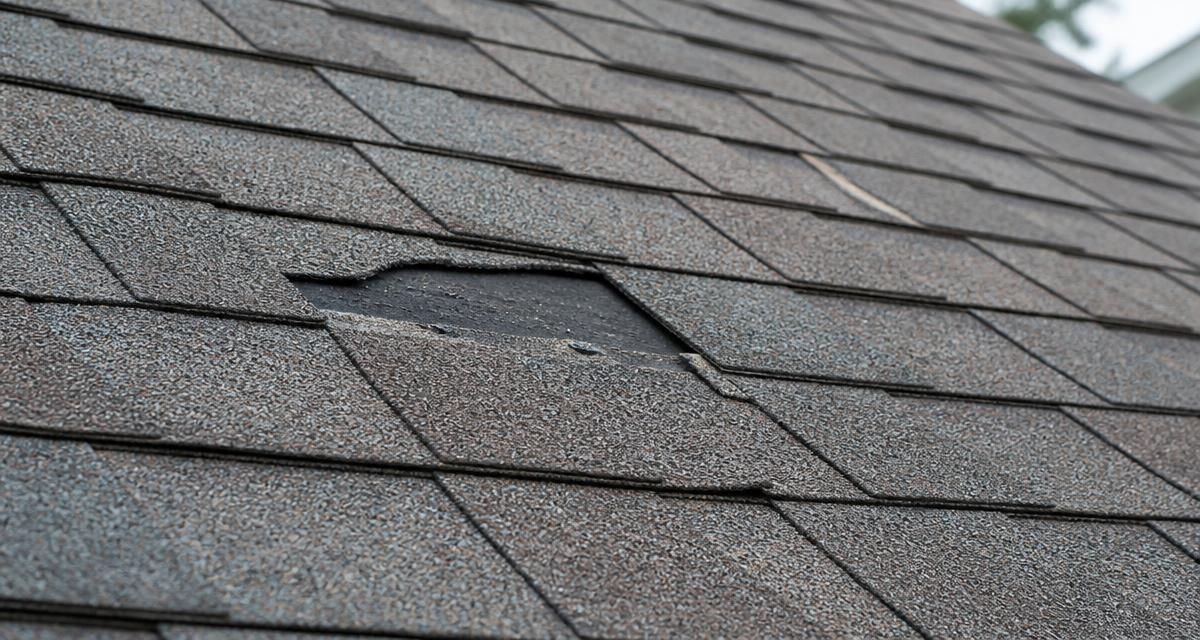
Missing or damaged shingles exposing the underlayment or deck directly
Clogged gutters causing water to back up under the roof edge
Nail pops or fastener failures creating small entry points over time
Each of these needs a targeted repair: resealing or replacing flashing, swapping a cracked pipe boot, addressing ice dam causes like attic ventilation and insulation, or replacing damaged shingles. None of them are addressed by a treatment applied to the shingle surface.
Diagnose before doing anything else
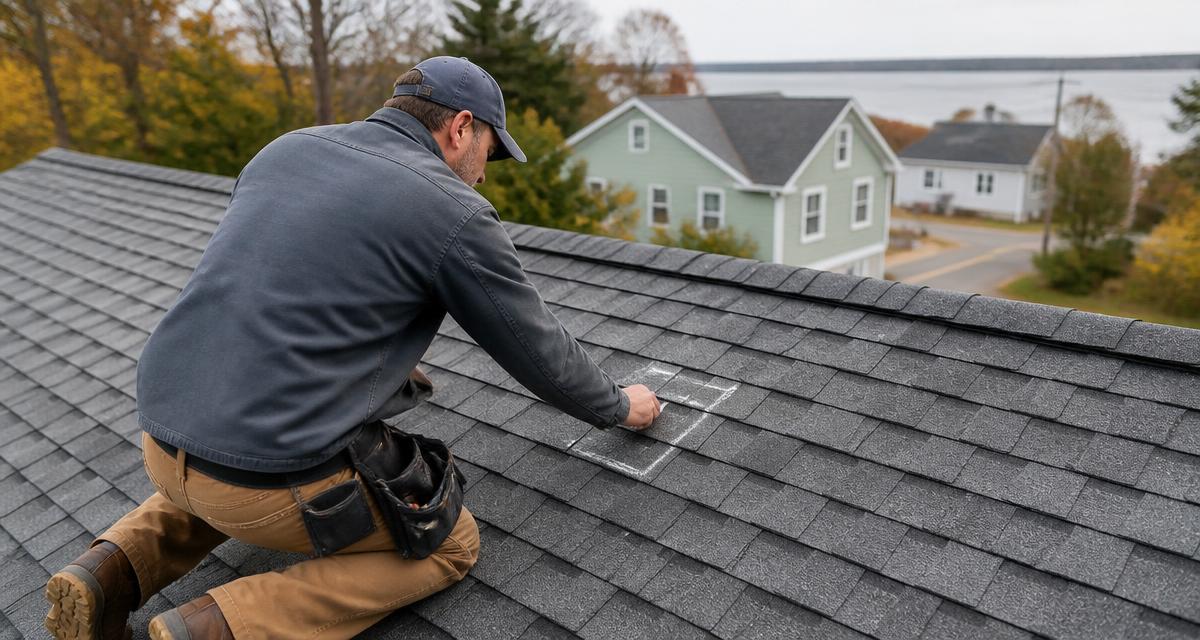
If you have an active leak, or an interior water stain that suggests one, the first step is finding the actual entry point, which is sometimes far from where the water shows up inside. Water can travel along rafters or sheathing before dripping into a visible spot, so a proper roof inspection, not a guess, is the right starting point. Rushing to apply any surface product, rejuvenation included, before that diagnosis is done risks masking the real issue instead of fixing it.
Where rejuvenation fits in after the leak is fixed
Once a leak has been repaired, and if the roof deck and surrounding shingles weren't significantly damaged by the water intrusion, rejuvenation can be a reasonable option to consider for the rest of the roof, assuming it's otherwise a good candidate: generally in the 8-20 year range, with intact shingles that have started to lose flexibility or granules but aren't widely missing or structurally failing. The leak repair and the rejuvenation decision are separate evaluations, done in that order.
It's also worth having an inspector confirm that water from the leak didn't compromise the deck or insulation in ways that would affect a rejuvenation decision, since sustained moisture exposure can cause damage beyond what's visible from the roof surface.
When a leak points toward replacement instead
A leak on an older roof, especially one already showing other signs of wear like widespread granule loss, curling shingles, or previous repairs in multiple spots, is sometimes the sign that pushes a homeowner from a repair-and-monitor plan to a full replacement conversation. That's a judgment call best made after an inspection, weighing the roof's overall remaining life against the cost of continuing to patch individual failures as they come up.
Key takeaways
Rejuvenation treatment does not fix leaks; it reconditions the surface of intact shingles.
Leaks come from flashing failures, cracked pipe boots, ice dams, missing shingles, or clogged gutters, and each needs a targeted repair.
Diagnose and repair the leak source first, before considering any surface treatment.
Rejuvenation can be evaluated for the rest of the roof only after the leak is fixed and the deck is confirmed sound.
A leak on an already-worn older roof is sometimes a sign to consider replacement instead of ongoing repairs.
Frequently asked questions
Will rejuvenation seal a small leak temporarily?+
It's not designed to and shouldn't be relied on for that. It's a shingle-surface treatment, not a sealant for gaps or flashing failures. Treat the actual leak source directly.
I already had rejuvenation done and now I have a leak. Did the treatment cause it?+
Rejuvenation treats the shingle surface and generally doesn't affect flashing, pipe boots, or other leak-prone areas. A new leak is more likely from one of those separate components failing and should be inspected on its own.
How much does it cost to fix a roof leak?+
It depends entirely on the cause, from a simple pipe boot swap to more involved flashing or deck repair. An inspection is needed to give an honest range for a specific situation.
Can I get rejuvenation and a leak repair done in the same visit?+
Often yes, once the leak source is identified and repaired as its own scope of work, rejuvenation can be evaluated and applied to the rest of the roof in a coordinated visit.
Does rejuvenation help prevent future leaks?+
It can help slow the kind of granule loss and brittleness that eventually contribute to shingle failure, but it doesn't address flashing, pipe boots, or ventilation issues, which are common leak causes on their own.
Dealing with an active leak?
Get the leak diagnosed and repaired first. If the rest of your roof still has useful life left, we'll tell you honestly whether rejuvenation makes sense afterward.
VitalRoofs assesses aging asphalt shingle roofs across Southern Maine, Central Maine and Southern New Hampshire, and recommends rejuvenation only where the roof's condition supports it. Articles here are written and reviewed by the VitalRoofs team.