Can You Extend the Life of a 15- or 20-Year-Old Asphalt Roof?
By VitalRoofs··4 min read
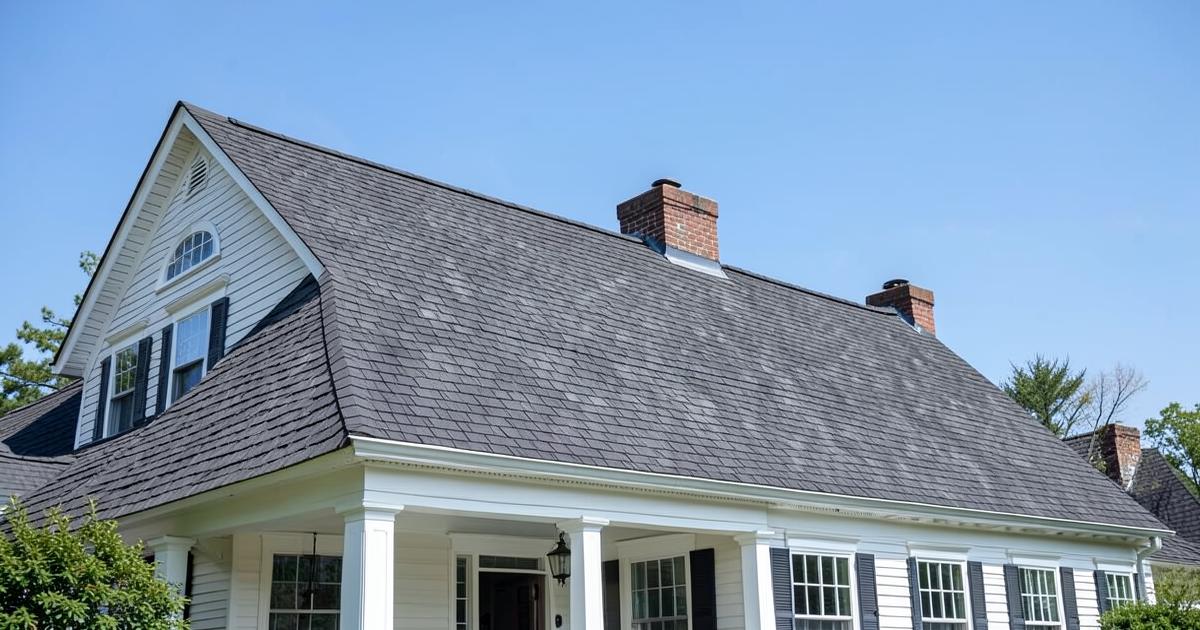
A 15- or 20-year-old asphalt shingle roof sits in an awkward spot. It's usually past its warranty and starting to show its age, but it may still be structurally sound and watertight. Whether that roof can get meaningful additional service life out of rejuvenation, or any other intervention, depends on a handful of specific, checkable conditions, not on age alone.
Two roofs installed the same year, in the same town, can be in completely different condition. One faced full southern sun exposure and shed water poorly off a low-slope section. The other sat mostly shaded under mature trees with good attic ventilation. Age is a starting point for the conversation, not the answer.
This article walks through what we actually look at when someone asks whether their aging roof is a candidate for additional life, and where the honest answer is that replacement makes more sense.
Why age alone doesn't decide it
Asphalt shingles age from a combination of UV exposure, heat cycling, moisture, and time. A roof's chronological age tells you how many years that aging process has had to work, but not how hard it worked. Slope, orientation, attic ventilation, tree cover, and the original shingle quality all change the pace of wear. That's why one 18-year-old roof can be brittle and cracking while another is still supple and holding granules well.
What we actually check on an aging roof
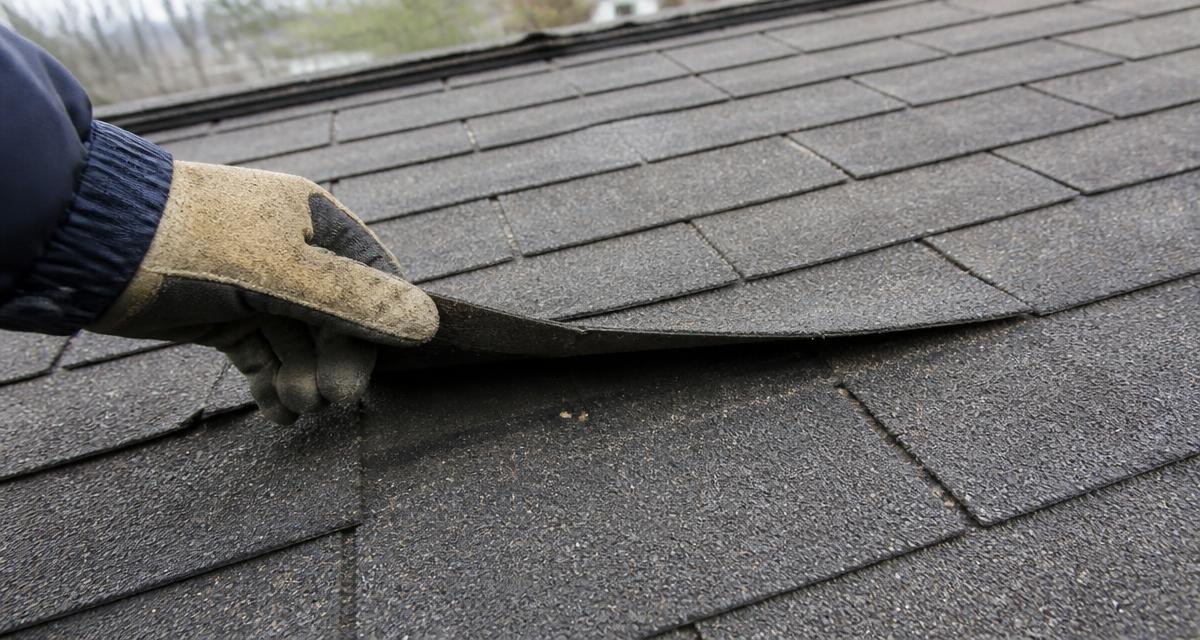
Shingle flexibility - whether the mat still bends without cracking, or is brittle and snapping at the tabs
Granule loss - whether it's light surface shedding or exposed asphalt mat in patches
Curling and cupping - how much the tab edges have lifted, and whether it's isolated or roof-wide
Existing leaks or soft decking - any sign water has already gotten past the shingle layer
Flashing condition - valleys, chimneys, and penetrations are often the actual failure point, not the shingles themselves
Layer count - whether the roof is a single layer or has a second layer installed over the original
The realistic service-life conversation
We won't tell you a rejuvenation treatment adds a specific number of years to a roof. Nobody can honestly promise that for your particular roof, because it depends on the variables above plus how the roof is treated going forward. What we can say is that the goal of rejuvenation on an aging roof is to restore some flexibility and water resistance to shingles that are drying out but not yet failing.
What separates a good candidate from a poor one
Aging roof: rejuvenation candidate checklist
Condition
Generally still a candidate
Usually past the point
Granule loss
Light, even wear across field shingles
Bald patches with visible mat
Shingle flexibility
Bends without cracking at tabs/valleys
Snaps or crumbles when lifted
Leak history
No active leaks, decking dry
Active leak or known soft decking
Layers
Single layer, original install
Two layers already, or prior repairs stacked up
Curling
Minor curling at a few tabs
Widespread curling/cupping across slopes
What Maine winters do to this window
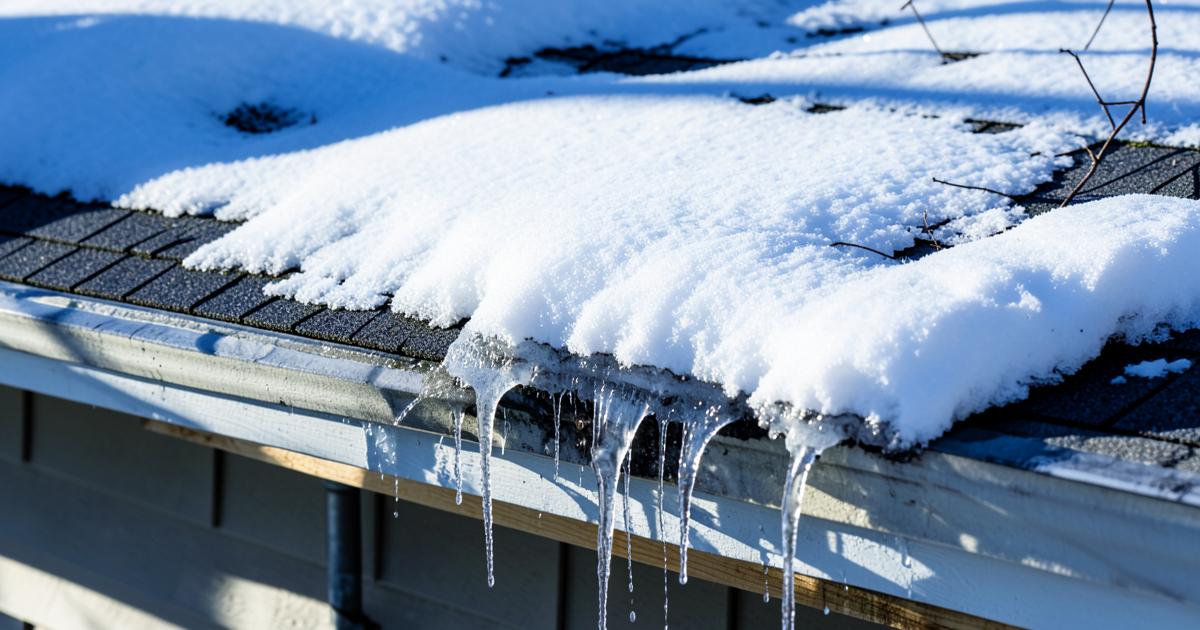
In Southern and Central Maine, freeze-thaw cycling and ice damming add stress that shortens the practical window for intervention. A roof that might have another several years of life in a milder climate can decline faster here if ventilation is poor or ice has already worked its way under shingle edges. That's one reason we look closely at eave and valley condition on any roof in the 15-20 year range, regardless of the shingle field's overall appearance.
Cost context for this decision
Rejuvenation on a typical Maine single-family roof runs roughly $3,000-$5,000, or about $130-$215 per roofing square, depending on roof size and access. Full replacement commonly runs $15,000-$30,000 or more, or roughly $600-$1,200 per square. These are planning ranges, not quotes, but they frame why it's worth a real inspection before assuming either path is the right one for a specific roof.
What a real inspection looks like
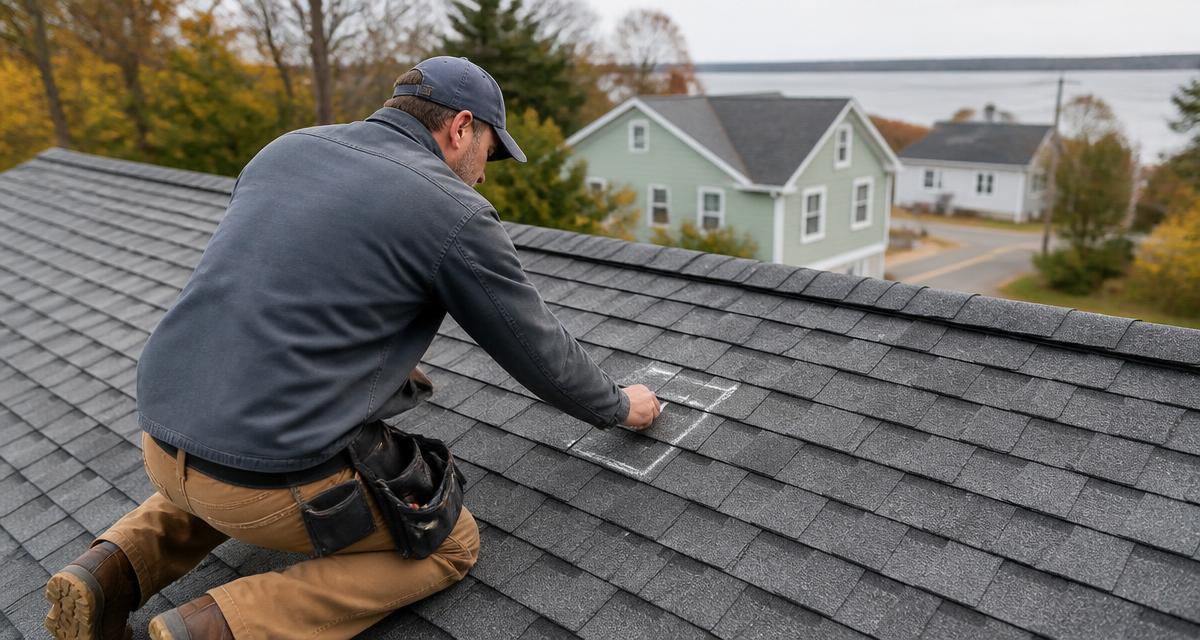
A useful assessment involves walking the roof, not just looking at it from the ground. We check granule condition at multiple points, test shingle flexibility by hand, look at flashing and valley details, and check the attic for moisture staining or ventilation problems. That combination is what tells us whether a 15- or 20-year-old roof still has workable material to treat, or whether the shingles have already crossed into brittle, failing territory.
Key takeaways
Roof age is a starting point, not a verdict - condition varies widely at 15-20 years
Flexibility, granule loss pattern, and leak history matter more than the calendar
We do not promise a specific number of added years from rejuvenation
Maine winters can shorten the practical decision window through freeze-thaw stress
A hands-on inspection is the only reliable way to know which category your roof is in
Frequently asked questions
Is there a hard age cutoff where rejuvenation stops being an option?+
No single age cutoff applies to every roof. We've seen 20-year-old roofs in decent shape and 12-year-old roofs already showing brittle, failing shingles. Condition matters more than the number.
Can I tell from the ground whether my roof still qualifies?+
You can spot obvious problems like missing shingles or major curling from the ground, but granule condition and shingle flexibility require a closer look, usually on the roof itself.
Does a second layer of shingles rule out rejuvenation?+
It often does, or at least complicates it, because the treatment is meant to work on the exposed shingle surface and a second layer changes how the roof ages and drains.
What happens if I rejuvenate a roof that's actually past the point?+
The treatment won't repair structural issues, active leaks, or already-cracked shingles. That's why an honest inspection upfront matters more than the treatment itself.
Find out which category your roof is in
A short on-roof assessment tells you whether your 15- or 20-year-old roof is a realistic rejuvenation candidate or headed toward replacement.
VitalRoofs assesses aging asphalt shingle roofs across Southern Maine, Central Maine and Southern New Hampshire, and recommends rejuvenation only where the roof's condition supports it. Articles here are written and reviewed by the VitalRoofs team.