Roof rejuvenation··5 min read
Does Roof Rejuvenation Really Work?
Roof rejuvenation does real, specific things for the right roof. It also has real limits. Here's an honest look at both sides.
Roof rejuvenation
By VitalRoofs··4 min read
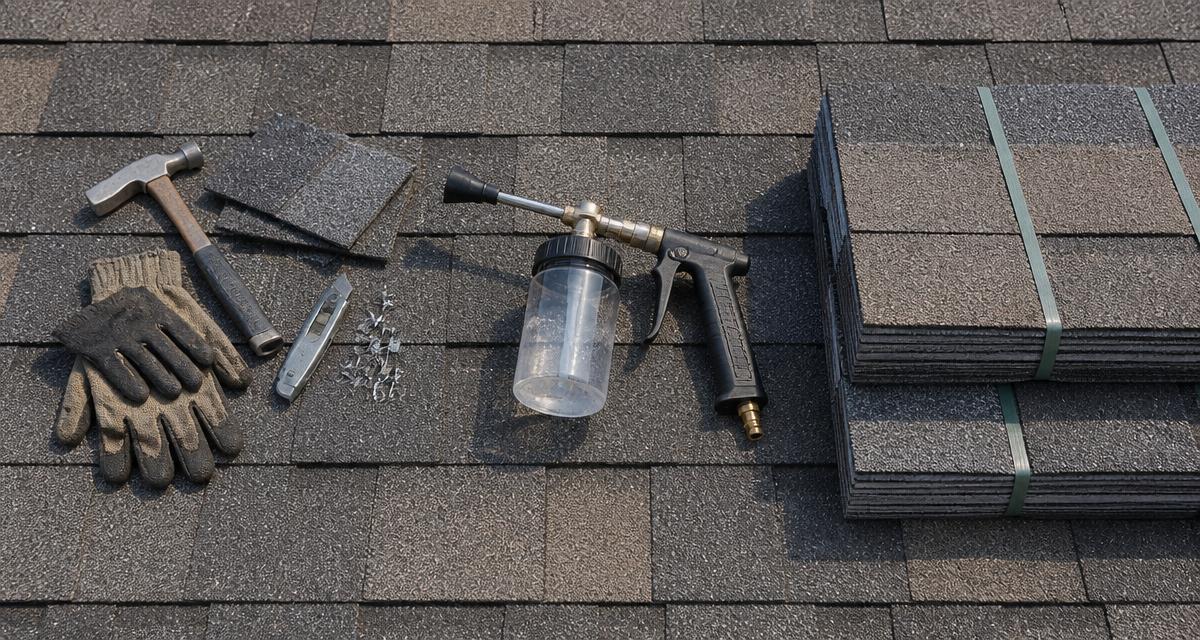
Roof rejuvenation gets pitched in a lot of places as a near-magic fix, and that's not fair to homeowners trying to make a real decision. It has real advantages for the right roof, and real limits that matter just as much. This article lays out both sides plainly.
We do this work, so we have a stake in people choosing it. But a rejuvenation treatment applied to the wrong roof wastes money and delays a replacement that was already needed. Being straight about the downsides is part of doing this job honestly.
Below is a direct comparison of what rejuvenation does well and where it falls short, followed by the specific situations where each side tends to dominate the decision.
| Advantage | Limitation it doesn't overcome |
|---|---|
| Lower cost than replacement | Won't fix a roof that already needs structural repair |
| Minimal disruption, usually one day | Doesn't replace missing or badly damaged shingles |
| Restores some flexibility to drying shingles | Doesn't stop a roof that's already leaking |
| Extends the planning window before replacement | No guaranteed number of extra years |
| No tear-off waste | Not appropriate for every roof age or condition |
This is a general comparison. Whether either column applies to your specific roof depends on an on-roof inspection.
Rejuvenation tends to make the most sense on roofs in the 10-18 year range that show even, moderate wear, no active leaks, and sound decking. In that window, the lower cost and lower disruption genuinely outweigh the fact that it isn't a permanent fix, because the roof wasn't at the end of its life anyway.
On a roof with an active leak, exposed decking, multiple missing shingles, or a shingle layer already stacked over an older one, the limitations dominate. Spending money on a treatment that can't address the underlying problem just delays a replacement that's already necessary, and can end up costing more in total.
The honest way to weigh this is to get a real inspection before deciding based on age or cost alone. A roof's condition, not its price tag or its calendar age, is what tells you which side of this comparison actually applies to you.
Key takeaways
No, though color improvement can be a visible side effect. The intent is to restore some flexibility and water resistance to aging shingles, not just improve appearance.
No. If shingles are missing, cracked, or the decking is compromised, those need to be addressed separately or the roof needs replacement instead.
An on-roof inspection checking granule condition, shingle flexibility, and decking condition is the reliable way to find out.
We don't make warranty claims here beyond what's genuinely documented for the specific product used on your roof; ask us directly about current documentation for your project.
We'll tell you honestly whether rejuvenation fits your roof's condition or whether replacement makes more sense.
See if your roof qualifiesAbout the author
VitalRoofs
Roof rejuvenation specialists, Portland, Maine
VitalRoofs assesses aging asphalt shingle roofs across Southern Maine, Central Maine and Southern New Hampshire, and recommends rejuvenation only where the roof's condition supports it. Articles here are written and reviewed by the VitalRoofs team.
More about VitalRoofs →Roof rejuvenation··5 min read
Roof rejuvenation does real, specific things for the right roof. It also has real limits. Here's an honest look at both sides.
Roof rejuvenation··4 min read
A 15- or 20-year-old asphalt roof isn't automatically a lost cause, but it isn't automatically a rejuvenation candidate either. Here's what actually determines the answer.