
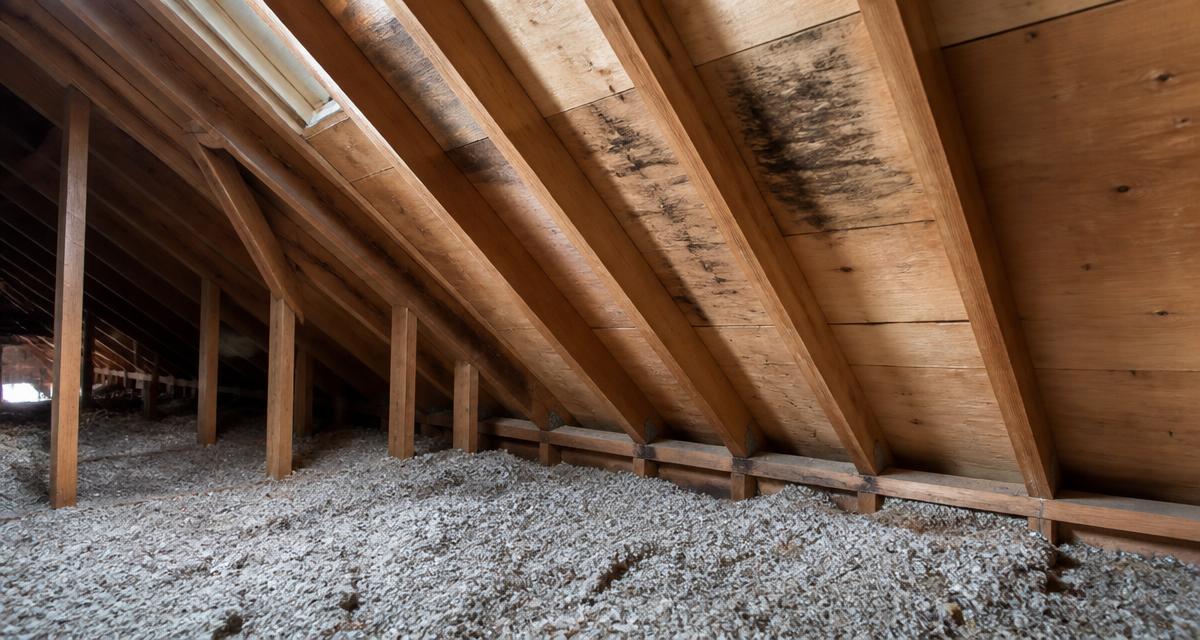
Roof rejuvenation··5 min read
Can Roof Rejuvenation Fix a Leaking Roof?
No. Rejuvenation treatment reconditions existing shingles, it doesn't seal an active leak or replace a repair. Here's why, and what actually needs to happen first.
Homeowner decisions
By VitalRoofs··7 min read
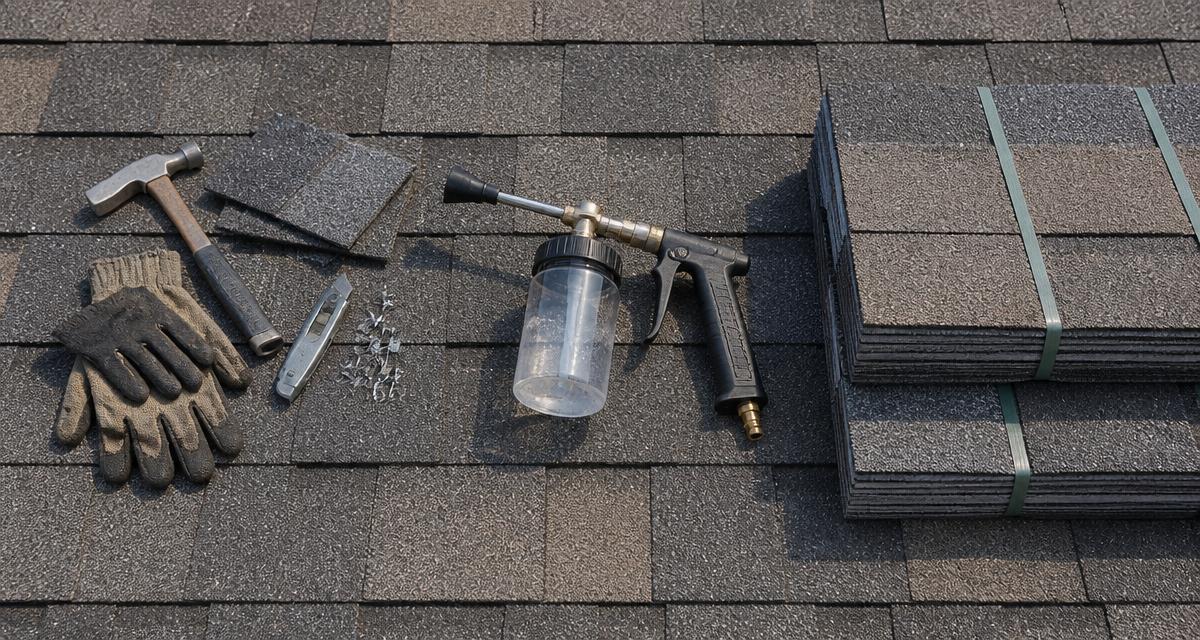
Repair, rejuvenation, and replacement solve three different problems, not three price points on the same problem. Repair fixes a specific, localized failure: a leak, a missing shingle, damaged flashing. Rejuvenation reconditions shingles that are still structurally sound across the whole roof but have started to dry out, lose granules, or lose flexibility. Replacement removes the entire roofing system and starts over, which is the right call once the shingles themselves, not just one spot, are failing.
Homeowners often land on this comparison after getting one quote and wondering if a cheaper option exists, or after being told about rejuvenation for the first time and wondering if it's a shortcut around replacement. It isn't a shortcut and it isn't a competitor to repair. Each of the three has a condition range it fits, and outside that range it either won't work or won't make financial sense.
The short version: if the roof has one or two isolated problems and is otherwise sound, repair it. If the shingles are broadly intact but aging and losing granules across most of the roof, rejuvenation is worth evaluating. If the shingles are widely cracked, curling, brittle, or the deck itself is compromised, replacement is the only option that actually holds up. An inspection is what tells you which category you're in.
Repair addresses a specific failure point: a cracked pipe boot, a section of flashing that's pulled away, a handful of shingles blown off in a storm, a valley that's been letting water through. The rest of the roof is assumed to be in acceptable shape and is left alone. Repair does nothing for the general condition of shingles elsewhere on the roof, and it isn't meant to.
Rejuvenation addresses the general condition of shingles that are still intact and doing their job, but have started drying out and shedding granules as they age. It's a treatment applied across the roof surface to recondition the asphalt, not a fix for any single failure. If there's an active leak or missing shingles, those need repair first; rejuvenation doesn't touch the underlying causes of a leak.
Replacement addresses a roofing system that's past the point where reconditioning or patching makes sense, whether because the shingles are widely brittle and cracked, granule loss is severe across most of the roof, or the deck underneath has been compromised. It's a full reset: tear-off, deck inspection and repair as needed, new underlayment, new shingles.
| Repair | Rejuvenation | Replacement | |
|---|---|---|---|
| Best fit for | One or a few isolated failures | Roof-wide aging, shingles still intact | Widespread shingle failure or deck damage |
| Typical shingle age | Any age, if the rest of the roof is sound | Roughly 8-20 years, still flexible enough to treat | Often 20+ years, or earlier with damage |
| What it changes | The specific failed component | Surface condition of existing shingles | The entire roofing system |
| Planning cost range | Varies widely by scope; get it inspected | Roughly $3,000-$5,000 for a Maine single-family roof | Commonly $15,000-$30,000+ for full asphalt replacement |
| Does it stop an active leak | Yes, if the leak source is correctly identified | No | Yes, as part of a full system replacement |
| Requires sound roof deck | Only at the repair location | Yes, across the roof | No, deck issues are addressed during the work |
Cost ranges are planning estimates for context, not quotes. Every roof needs its own inspection.
Repair requires that the rest of the roof, outside the failure point, is in reasonably good shape. If an inspector finds one bad section of flashing but the shingles everywhere else are still supple and well-granulated, repairing that one spot is a sound decision. If the same inspector finds that failure alongside shingles that are curling and brittle across multiple slopes, a repair just delays a bigger conversation.
Rejuvenation requires shingles that are still structurally intact: no widespread cracking, no large bald patches of missing granules down to the mat, no sections of missing or torn shingles. It works on asphalt that has dried out but hasn't broken down. Roofs with an active leak, storm damage, or shingles that are already brittle and cracking are not good candidates, and an honest inspection should say so rather than treating a roof that's past the point of benefiting.
Replacement is the answer once shingles are failing broadly rather than in isolated spots, or once the deck itself has soft spots, rot, or damage that a surface treatment or a patch can't address. It's also the more sensible option when a roof has already had multiple repairs and continues to develop new problems, since the cost of ongoing patching starts to compete with the cost of just starting over.
Repair buys you the remaining life of the roof, assuming the rest of the shingles hold up on their own timeline; it doesn't extend anything, it just stops one problem from getting worse. Rejuvenation is intended to extend the useful life of shingles that still have some life left, though we won't put a specific number of years on that here since it depends on the roof's starting condition, exposure, and how it's maintained afterward. Replacement resets the clock entirely with a new roofing system and its own expected service life based on the materials installed.
None of these figures are quotes, and actual cost depends on roof size, pitch, access, and what an inspection finds. As planning context: rejuvenation for a Maine single-family roof commonly runs $3,000-$5,000, or roughly $130-$215 per roofing square. Full asphalt shingle replacement commonly runs $15,000-$30,000 or more, or roughly $600-$1,200 per square, depending on the roof's size and complexity. Repair costs vary the most of the three, since a single flashing fix and a repair involving deck damage are entirely different scopes of work; there's no honest single range to give without an inspection.
None of the three options can be chosen responsibly from a photo or a homeowner's guess at shingle age. An inspector needs to check shingle flexibility and granule adhesion across multiple roof sections, look for active leaks or previous water damage, check flashing and penetrations, and get a look at the deck where possible. Two roofs of the same age and same shingle brand can land in different categories depending on sun exposure, ventilation, and how they've been maintained. That's the reason a real inspection, not an assumption based on age alone, is the step that determines which of the three paths applies.
This also means the right answer can be a combination: repair a failed section first, then evaluate rejuvenation for the rest of the roof once it's confirmed watertight and structurally sound. Or an inspection can reveal that what looked like a simple repair job is actually evidence of broader deck damage that points toward replacement. The three options aren't mutually exclusive steps on a ladder; they're distinct diagnoses, and the inspection is the diagnostic tool.
Key takeaways
Only if there isn't an active failure that needs fixing. Rejuvenation doesn't seal leaks or replace missing shingles, so any isolated damage needs to be repaired first, with rejuvenation considered afterward for the rest of the roof.
No, it's a different service for a different roof condition, not a discount version of replacement. It only makes sense for shingles that are still structurally sound. Applying it to a roof that actually needs replacement doesn't solve the underlying problem.
It comes down to whether the problem is isolated or widespread. One bad flashing detail on an otherwise sound roof is a repair. Multiple failing areas, brittle shingles across the roof, or deck damage point toward replacement. An inspection is what distinguishes the two.
A trustworthy inspection should recommend the option that matches the roof's actual condition, which is sometimes the cheaper one. If a roof only needs a repair, an honest assessment says so instead of pushing rejuvenation or replacement it doesn't need.
This depends on the specific roof and should be discussed during an inspection, since uneven treatment can leave a visible difference between sections and the goal is a roof that reads as one consistent surface.
Shingles that are already losing granules and drying out will continue to age, and what qualifies for rejuvenation today may not qualify in a few years if it progresses to cracking or brittleness. An inspection now at least tells you where the roof currently stands.
We'll inspect your roof and tell you honestly whether it needs a repair, qualifies for rejuvenation, or is due for replacement, no upsell either direction.
See if your roof qualifiesAbout the author
VitalRoofs
Roof rejuvenation specialists, Portland, Maine
VitalRoofs assesses aging asphalt shingle roofs across Southern Maine, Central Maine and Southern New Hampshire, and recommends rejuvenation only where the roof's condition supports it. Articles here are written and reviewed by the VitalRoofs team.
More about VitalRoofs →Roof rejuvenation··5 min read
No. Rejuvenation treatment reconditions existing shingles, it doesn't seal an active leak or replace a repair. Here's why, and what actually needs to happen first.
Roof rejuvenation··5 min read
Not every aging roof needs full replacement. Here are seven signs that a roof may be a reasonable candidate for rejuvenation, and why an inspection is still the only way to confirm it.
Homeowner decisions··4 min read
Not every roof problem means you need a full replacement. Here's how to tell the difference between signs that call for repair and signs that call for a new roof.
Roof rejuvenation··4 min read
There's no age cutoff where a roof automatically becomes too old for rejuvenation. What actually determines eligibility is the roof's condition, not the number of years since it was installed.