
Coastal nor'easters combine sustained wind, driven rain or wet snow, and rapid temperature swings. That combination finds weaknesses that a calm winter never would.
The order below is deliberate: it puts the safest and most informative checks first.
Step one: inside the house
Walk the top floor and look at ceilings and the tops of exterior walls in good light. Fresh water staining is the clearest evidence that something let water through.
Then check the attic with a flashlight for wet insulation, dripping nails or damp sheathing.
Step two: the ground around the house
Shingle pieces, granule washouts under downspouts and bent gutter sections all tell you where the wind concentrated.
Ridge caps and rake edges are the first pieces to go in high wind, so look for debris from those areas specifically.
Step three: the roof from a distance
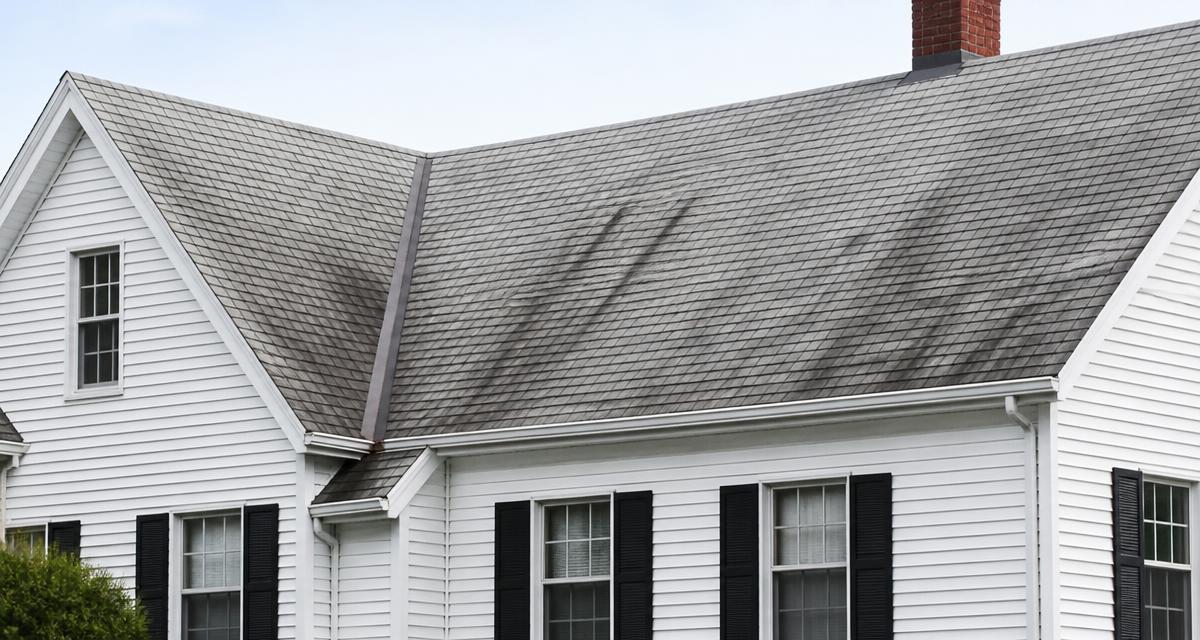
From across the street, scan each visible plane for gaps, dark patches or lifted courses. A phone camera zoomed in is a genuinely useful tool here.
Do not climb onto a wet, icy or wind-exposed roof to look.
Step four: document before anything is fixed
Date-stamped photos of both interior and exterior findings are worth taking before any repair, whether or not you end up filing a claim.
Be cautious with door-knocking storm crews. A written scope and an identifiable local business matter more than urgency.
Why this is different here
Beach-front and near-shore towns from Old Orchard Beach through Hampton take the wind side of a nor'easter directly, with salt spray carried well inland. Roofs a few miles back typically see the water and the temperature swing without the same wind loading.