
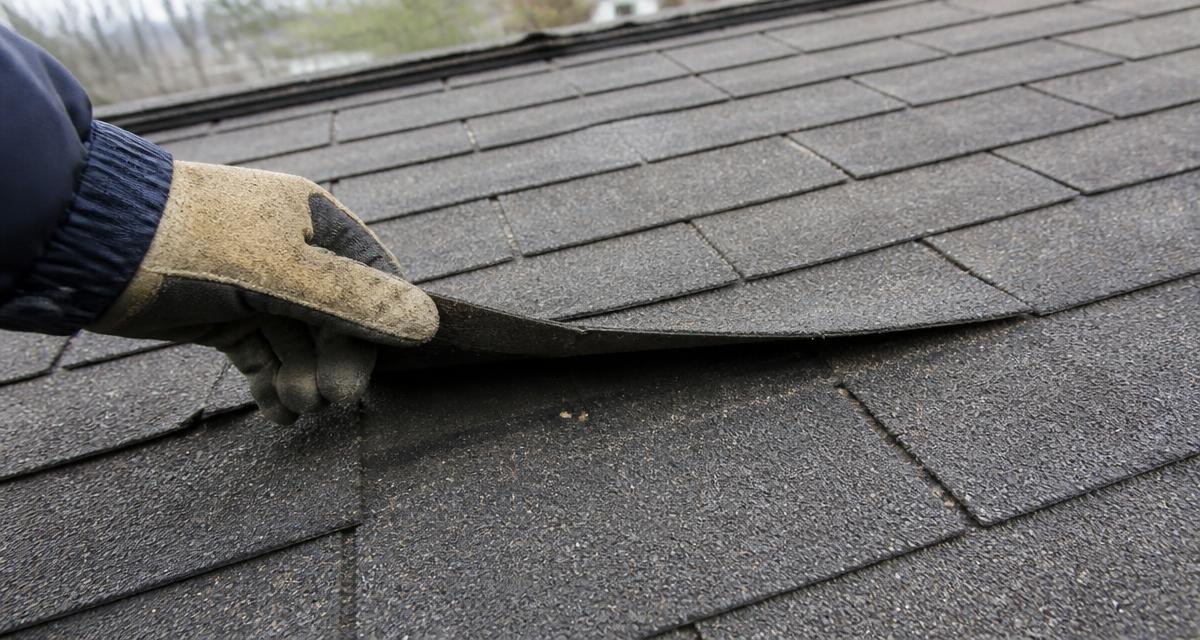
Asphalt shingles age by losing the oils that keep them flexible. Anything that speeds up that loss — heat, ultraviolet light, constant air movement — shortens the useful stretch of the roof's life.
Coastal lots supply all three, plus salt.
Wind does more than lift shingles
Constant air movement across an exposed roof increases drying and carries fine grit that abrades the granule surface over years.
Rake edges and ridges take the most of it, which is why those areas often look older than the field of the roof.
Sun exposure is not uniform
South and west planes take the most ultraviolet load and typically stiffen first. On open coastal lots with no tree cover, there is nothing to moderate it.
Light reflected off water adds to that on properties with open exposure.
What this means for timing
Exposure does not change what rejuvenation is for — aging, still-sound asphalt shingles. It changes when a given roof reaches that window.
In practice, coastal roofs are worth assessing a little earlier than their inland equivalents rather than waiting on age alone.
Why this is different here
Cape Elizabeth, Harpswell and the Scarborough marsh edge sit fully open to weather off the water. A roof there and a roof in a wooded Windham subdivision can be the same age and in genuinely different shape — which is exactly why we assess before recommending anything.