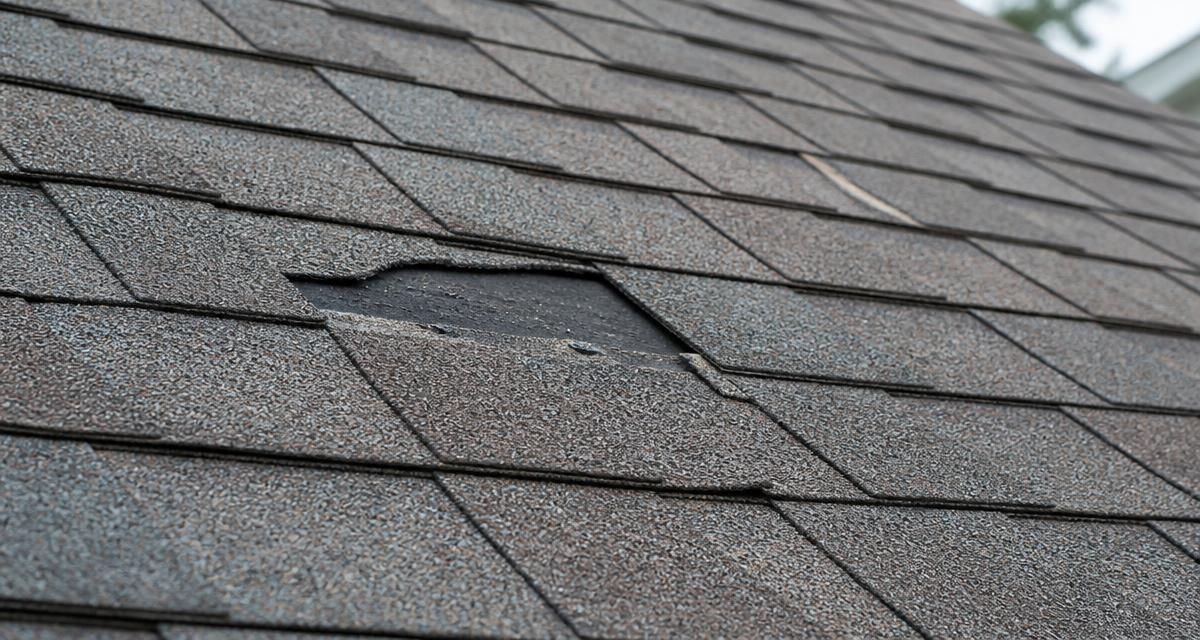
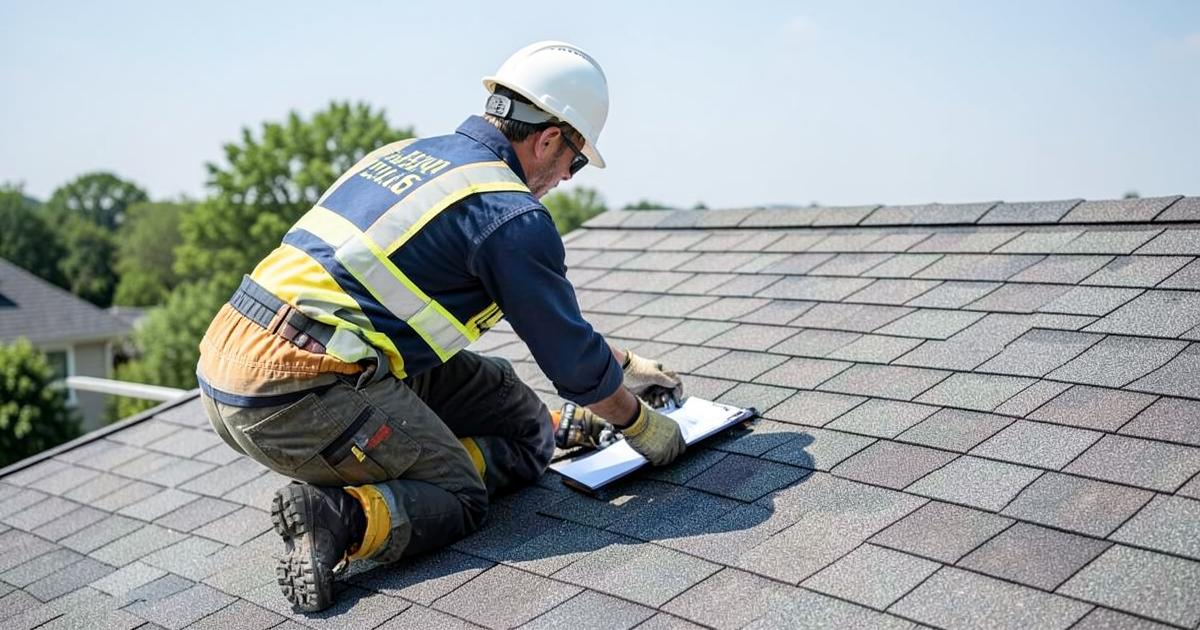
Short answer: repairs come first. Rejuvenation treatment is applied to existing shingles to restore flexibility and slow further granule loss, it doesn't replace missing material or fill gaps. If shingles are missing, that section needs to be patched with matching shingles before treatment goes down.
Whether the roof as a whole still qualifies for rejuvenation after that repair depends mostly on how many shingles are missing, where they are, and what caused them to go missing in the first place. A handful of shingles lost after a windstorm on an otherwise sound 12-year-old roof is a very different situation than a roof shedding shingles in multiple spots because the mat has become brittle with age.
This article walks through how that qualification call actually gets made, and when missing shingles are a sign to lean toward repair-and-monitor or full replacement instead.
Repair happens before rejuvenation, not after
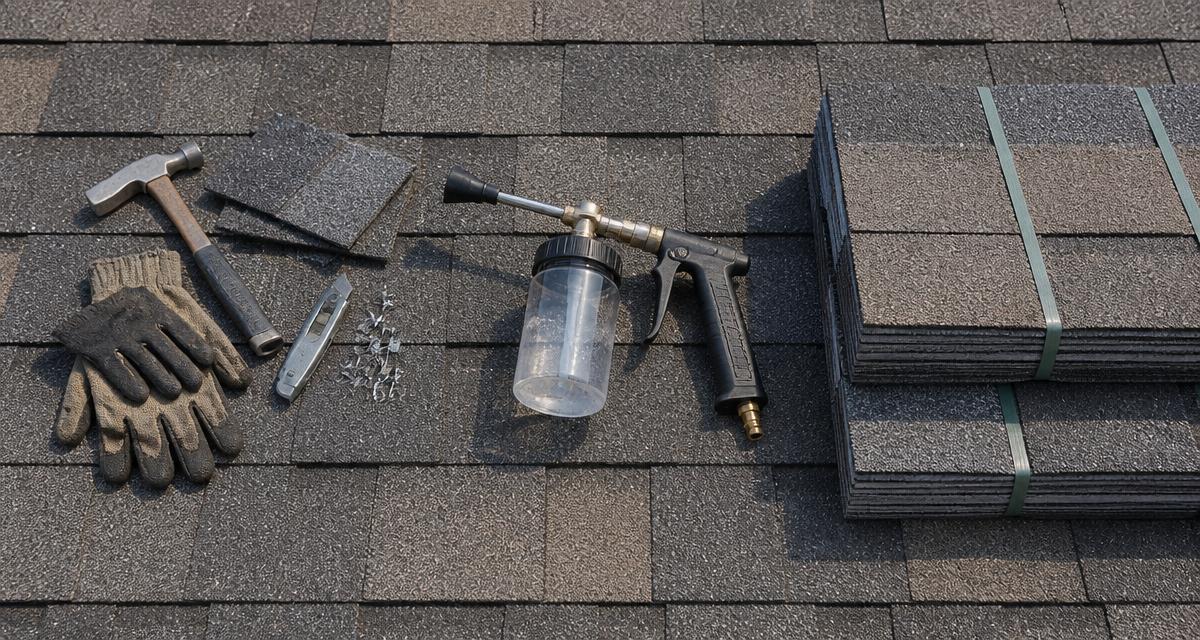
Rejuvenation products are designed to penetrate and recondition the asphalt and granules of shingles that are already on the roof. They aren't a patching compound and they can't span a gap where a shingle used to be. Any section with missing shingles needs conventional repair first: replacing the missing pieces with matching shingles and confirming the underlayment and deck underneath weren't compromised while exposed.
Once that repair is done and the roof is a complete, watertight surface again, rejuvenation can be evaluated for the roof as a whole, including the repaired section, the same way it would be for any roof of that age and condition.
How many missing shingles changes the answer
A few shingles lost to wind, ice damming, or a fallen branch is a repair issue, not necessarily a sign the whole roof is failing. If the rest of the roof still has good granule coverage and flexible shingles, patching the missing spots and moving forward with rejuvenation is often a reasonable plan.
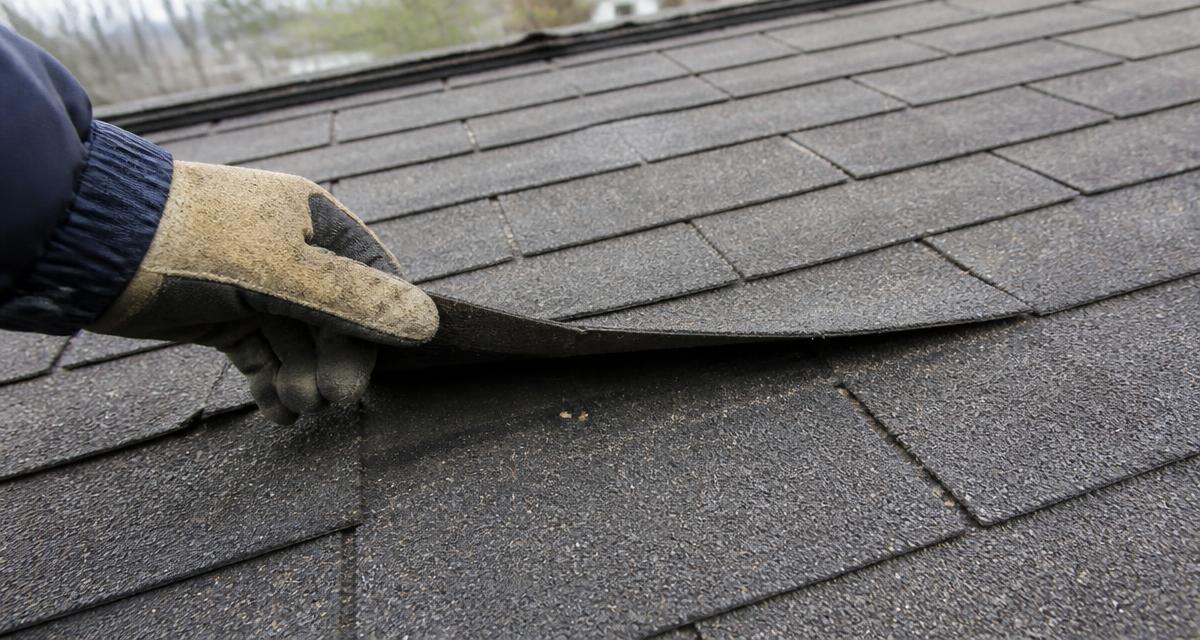
Missing shingles scattered across multiple slopes, or shingles that keep coming loose even after being replaced, point to something more systemic: shingles that have become brittle with age and are losing their grip, sealant strips that have failed, or a roof nearing the end of its practical service life. In that case, the missing shingles are a symptom of overall roof condition rather than an isolated event, and it changes the conversation from repair-plus-rejuvenation to a harder look at whether replacement makes more sense.
Missing shingles: what it usually means
Situation
Likely cause
Typical path
A few shingles missing after a storm
Wind event, isolated damage
Repair the section, then evaluate rejuvenation for the whole roof
Missing shingles in several spots, roof is 8-15 years old
Localized wear or repeated wind exposure
Repair, then inspect closely for age-related qualification
Shingles missing across multiple slopes, roof is 18+ years old
Widespread brittleness, failing sealant strips
Likely leaning toward replacement rather than repair-and-rejuvenate
Where the missing shingles are also matters
Missing shingles near ridges, valleys, or roof edges expose the deck to water more directly than a missing shingle in the middle of a flat slope. If a section has been exposed for a while, an inspector needs to check for deck staining, soft spots, or moisture intrusion before any treatment is considered, since rejuvenation only addresses the shingle surface and does nothing for a compromised deck underneath.
How qualification actually gets decided
A straightforward inspection process is the only reliable way to answer this for a specific roof: repair the missing sections, then assess the whole roof's granule coverage, shingle flexibility, sealant condition, and deck integrity. If those checks come back reasonably sound, rejuvenation is a legitimate option for extending the roof's useful life. If they don't, it's better to know that before spending money on treatment that won't hold up on a roof that's already failing.
This is also why matching replacement shingles matters for the repair step. A visibly different shingle color or profile can look inconsistent once rejuvenation treatment is applied, since the treatment reacts with the existing granules and asphalt rather than covering the roof in new material.
Cost context for planning
Rejuvenation for a typical Maine single-family roof generally runs in the range of $3,000-$5,000, on top of whatever the shingle repair itself costs, which varies by how many shingles and what access the roof requires. A full asphalt replacement commonly runs $15,000-$30,000 or more depending on the roof's size and complexity. These are planning ranges, not quotes, and the right comparison depends on what an inspection finds once repairs are made.
Key takeaways
Missing shingles must be repaired with matching material before rejuvenation is applied.
A few isolated missing shingles after a storm don't automatically disqualify a roof.
Missing shingles across multiple slopes, or recurring after repair, often signal a roof nearing the end of its service life.
Location matters: missing shingles near ridges, valleys, and edges need a deck check for water damage.
Full qualification is decided after repairs are complete, based on the whole roof's condition, not just the gap.
Frequently asked questions
Can rejuvenation treatment fill in a missing shingle?+
No. Rejuvenation restores flexibility and slows granule loss on shingles that are already in place. It cannot span or fill a physical gap where a shingle is missing.
Do I need an exact matching shingle for the repair?+
As close a match as possible is ideal, both for weatherproofing consistency and so the section blends reasonably well once rejuvenation treatment is applied to the whole roof.
How many missing shingles is too many for rejuvenation to make sense?+
There's no fixed number. What matters more is whether the missing shingles are an isolated event or a sign of widespread brittleness and sealant failure across the roof.
What if there's water damage where the shingle was missing?+
That needs to be addressed as a repair to the deck or underlayment first. Rejuvenation only treats the shingle surface and won't resolve moisture damage underneath.
Is it worth rejuvenating a roof that just needed shingle repairs?+
Often yes, if the rest of the roof is in reasonably good shape for its age. The repair and rejuvenation are separate steps that can work together on a roof that still has useful life left.
Missing a few shingles and wondering what's next?
We'll look at the whole roof, not just the missing spots, and tell you honestly whether rejuvenation still makes sense after repairs.
VitalRoofs assesses aging asphalt shingle roofs across Southern Maine, Central Maine and Southern New Hampshire, and recommends rejuvenation only where the roof's condition supports it. Articles here are written and reviewed by the VitalRoofs team.